


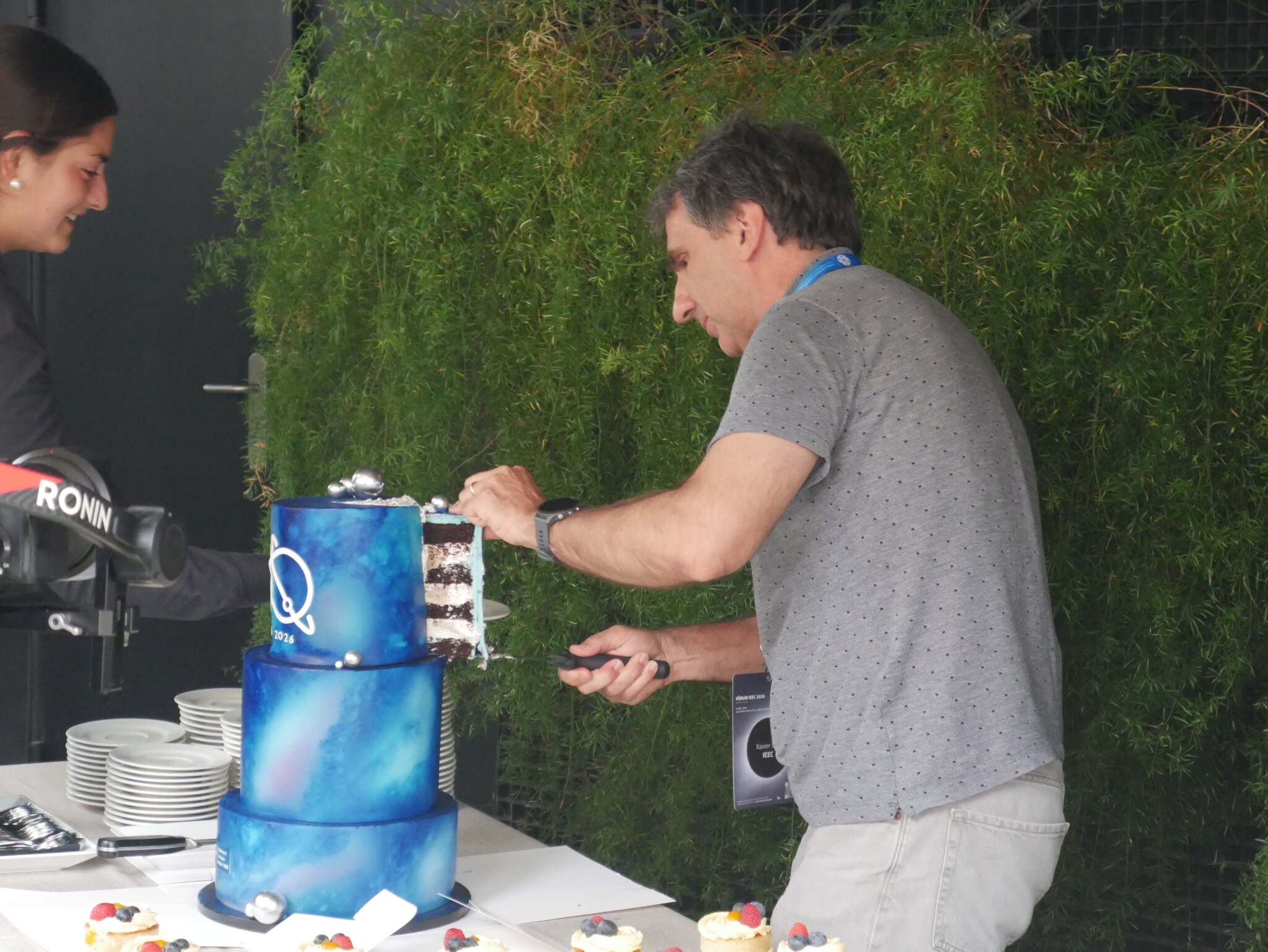
The 8th IEEC Forum brings together its members at the Museu de la Ciència CosmoCaixa in a day marked by the institute’s 30th anniversary
• The annual meeting brought together the research staff from the four research units that make up the IEEC, as well as technical and administrative staff
• The main objective of this event, which this year celebrates its eighth edition, is to strengthen cohesion within the IEEC’s scientific and technical community and to highlight the capabilities of its different units
• The event provided an overview of the main scientific missions and projects in which the Institute is involved, as well as a keynote panel discussion marking the Institute’s three decades of activity

The Institute of Space Studies of Catalonia (IEEC) brought together its members for its annual meeting, held this year at the Ágora Hall of the CosmoCaixa Science Museum in Barcelona.
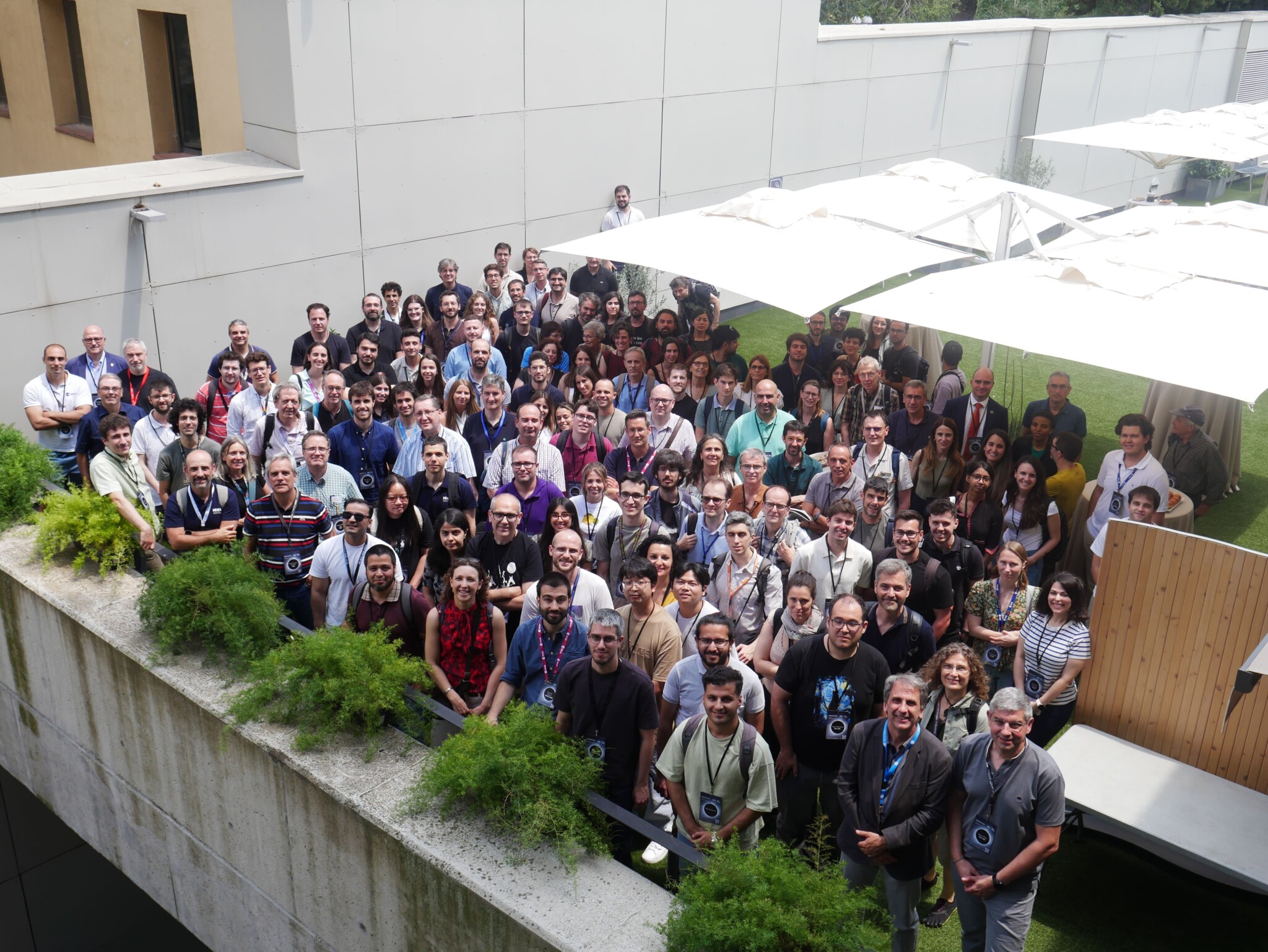
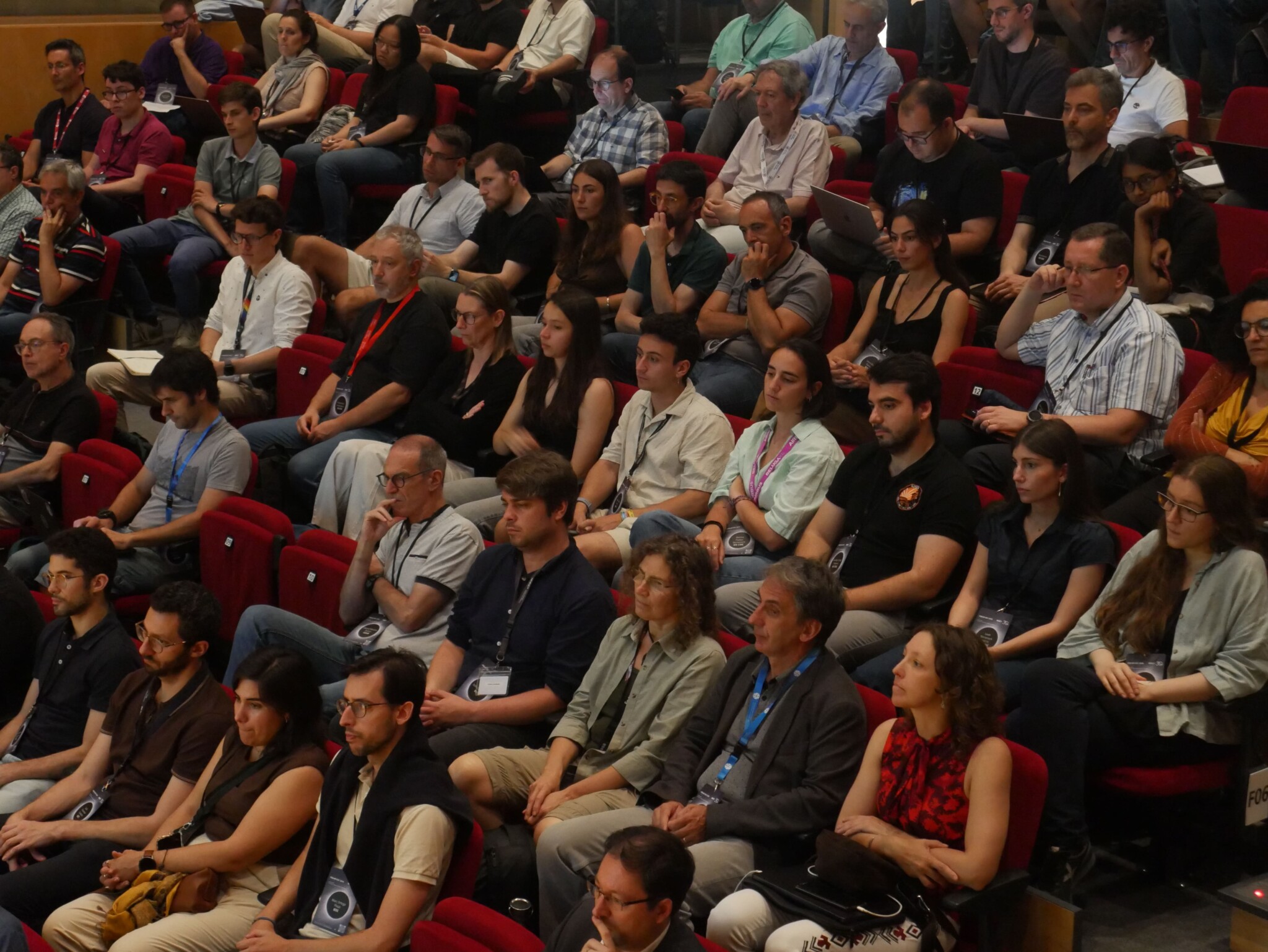
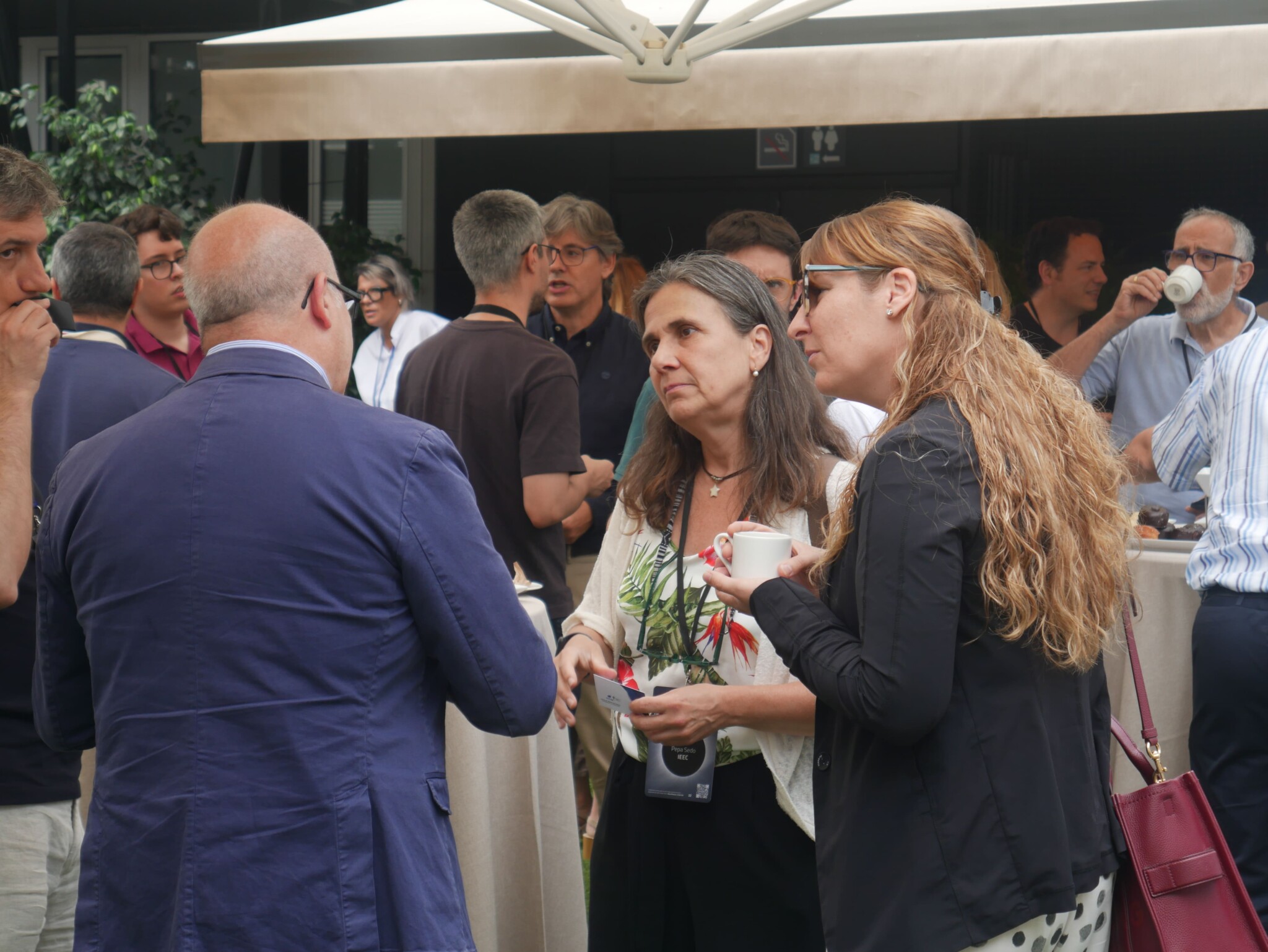
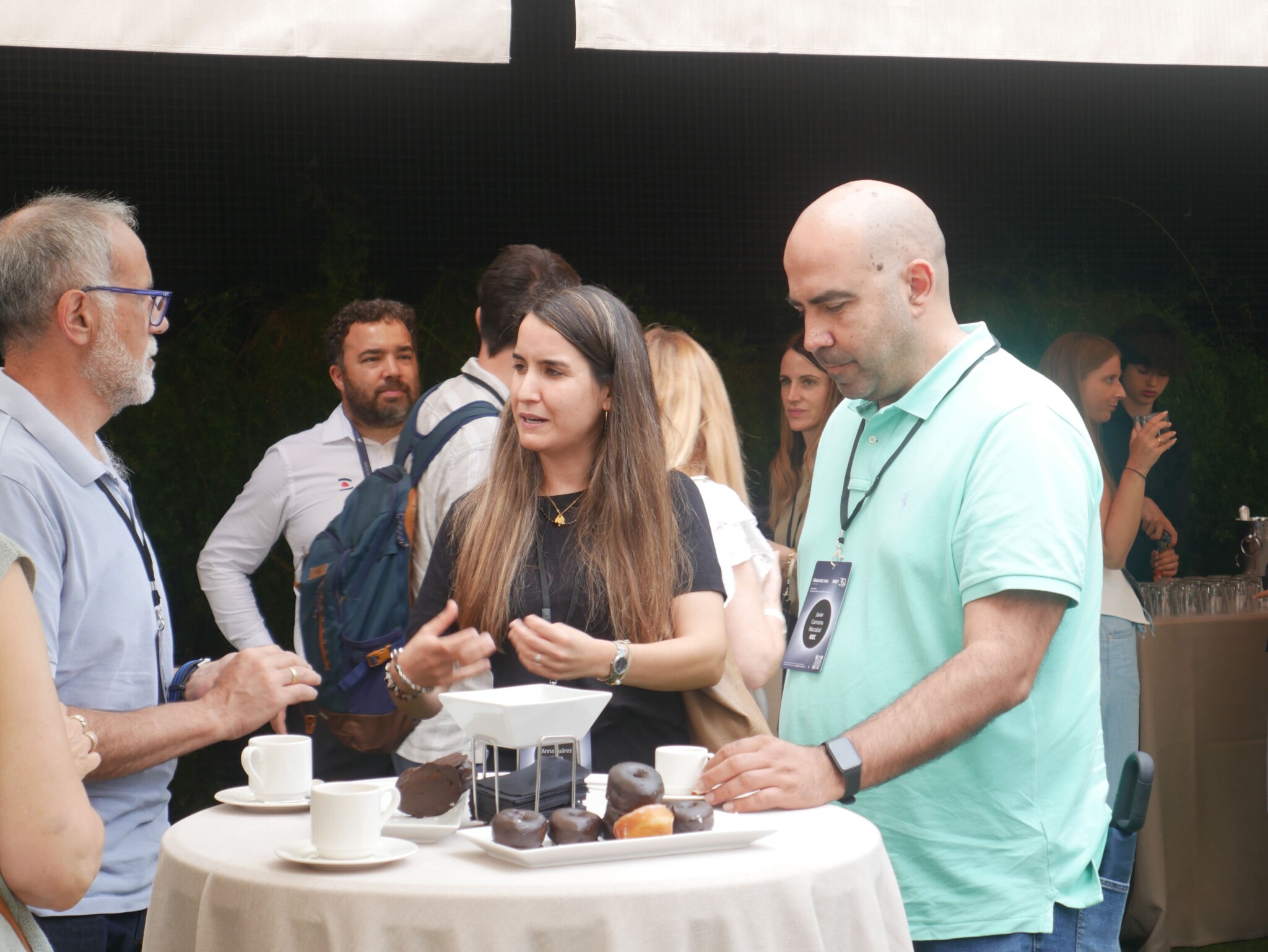
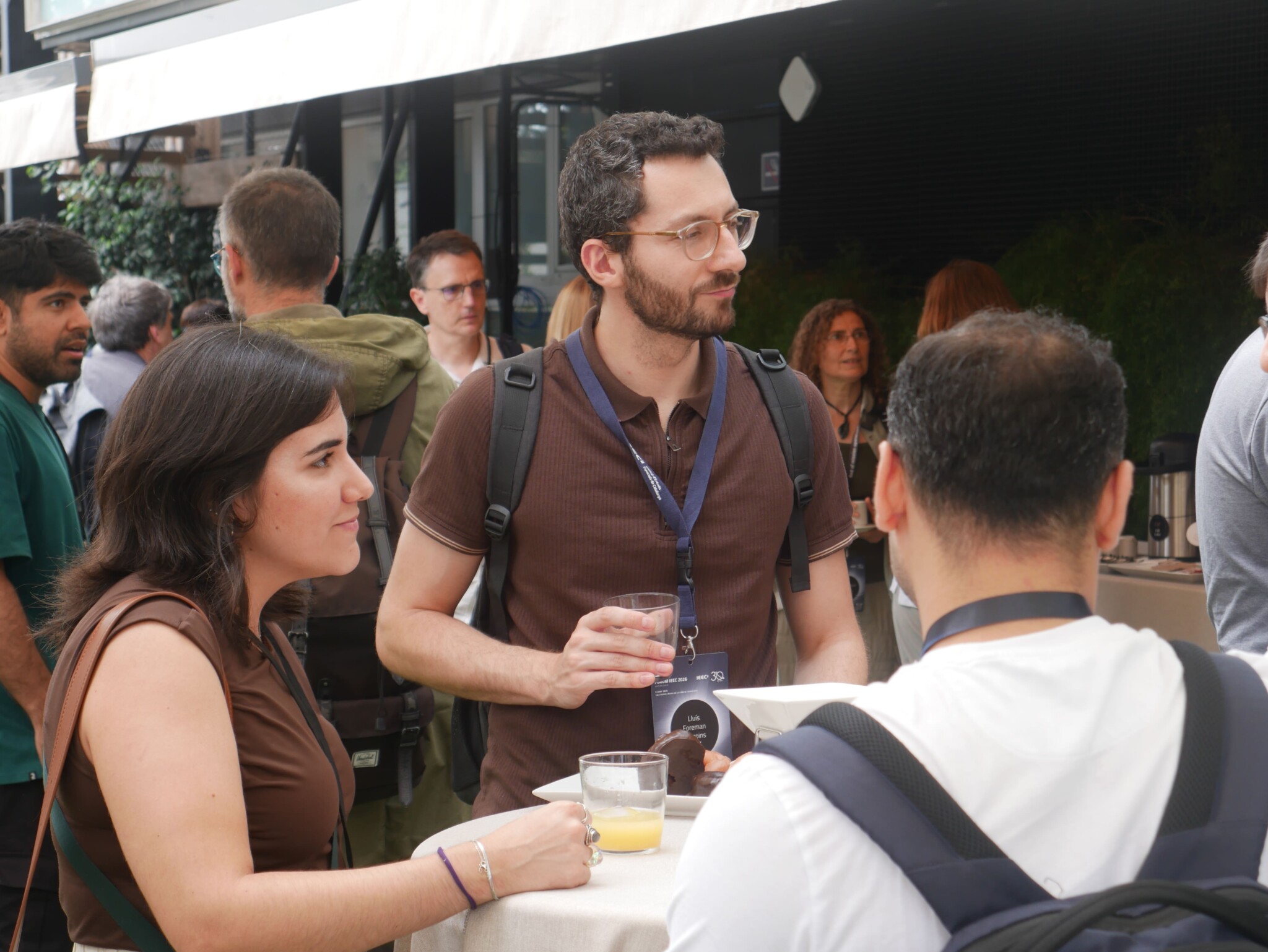
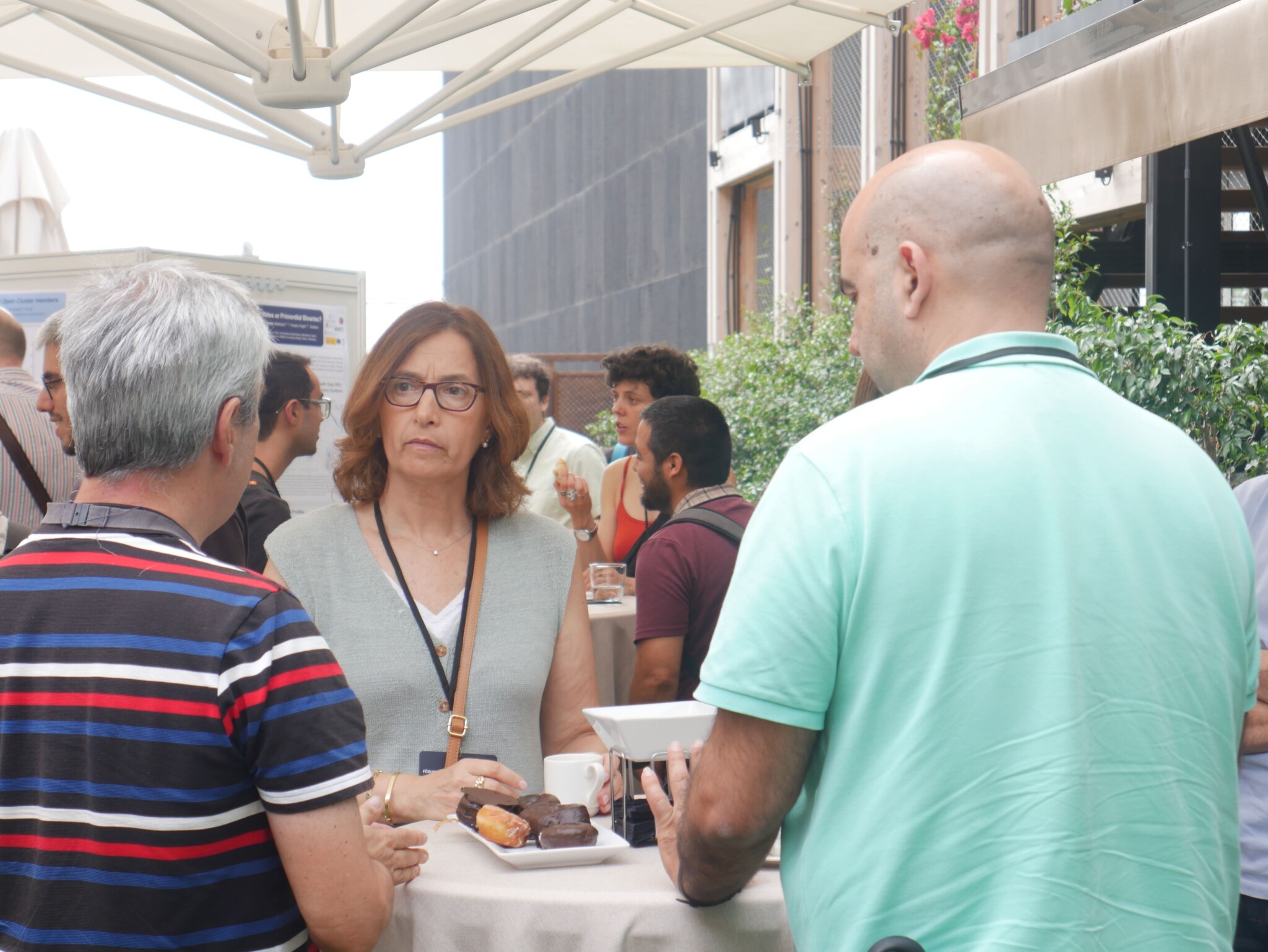
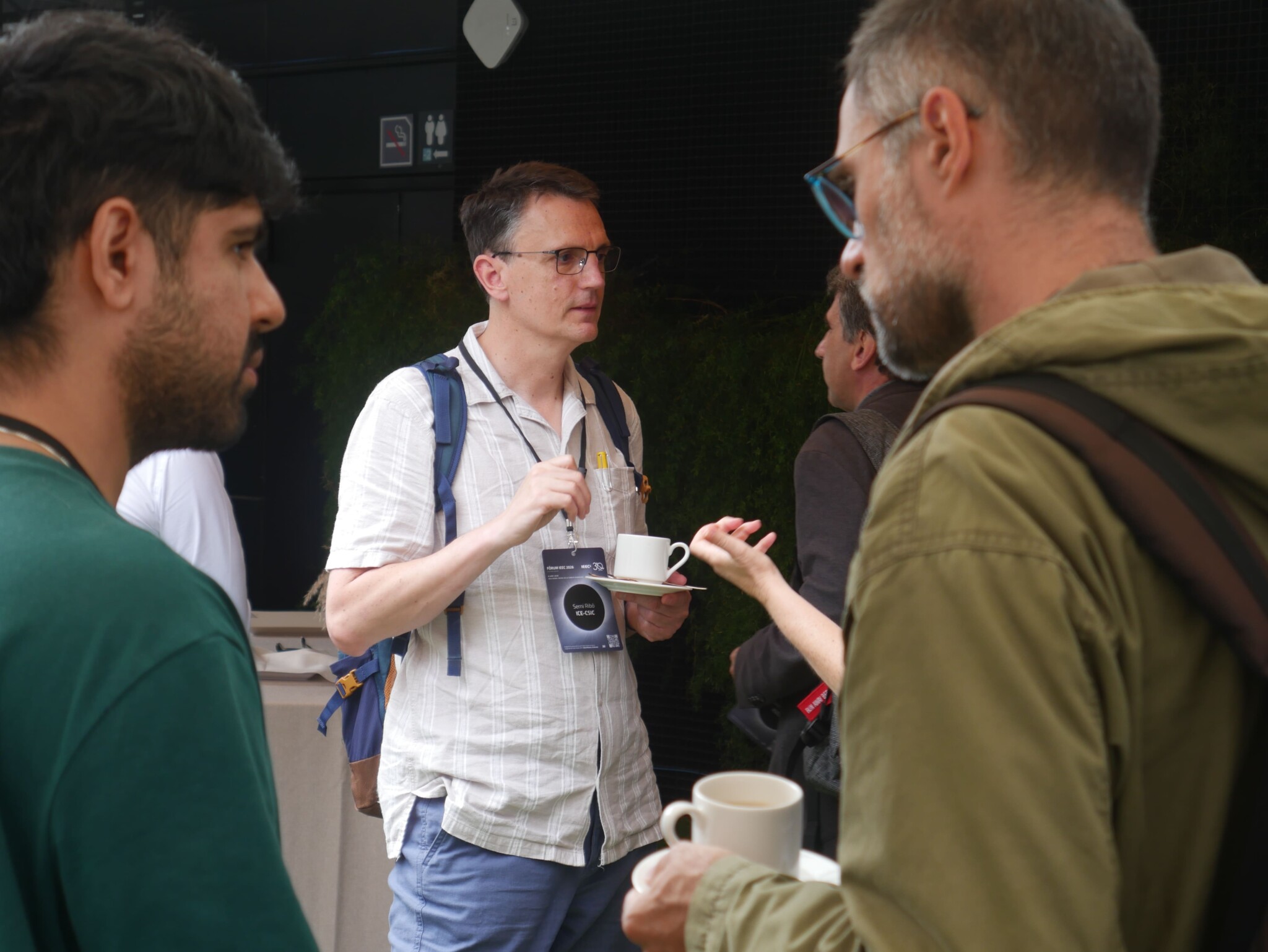
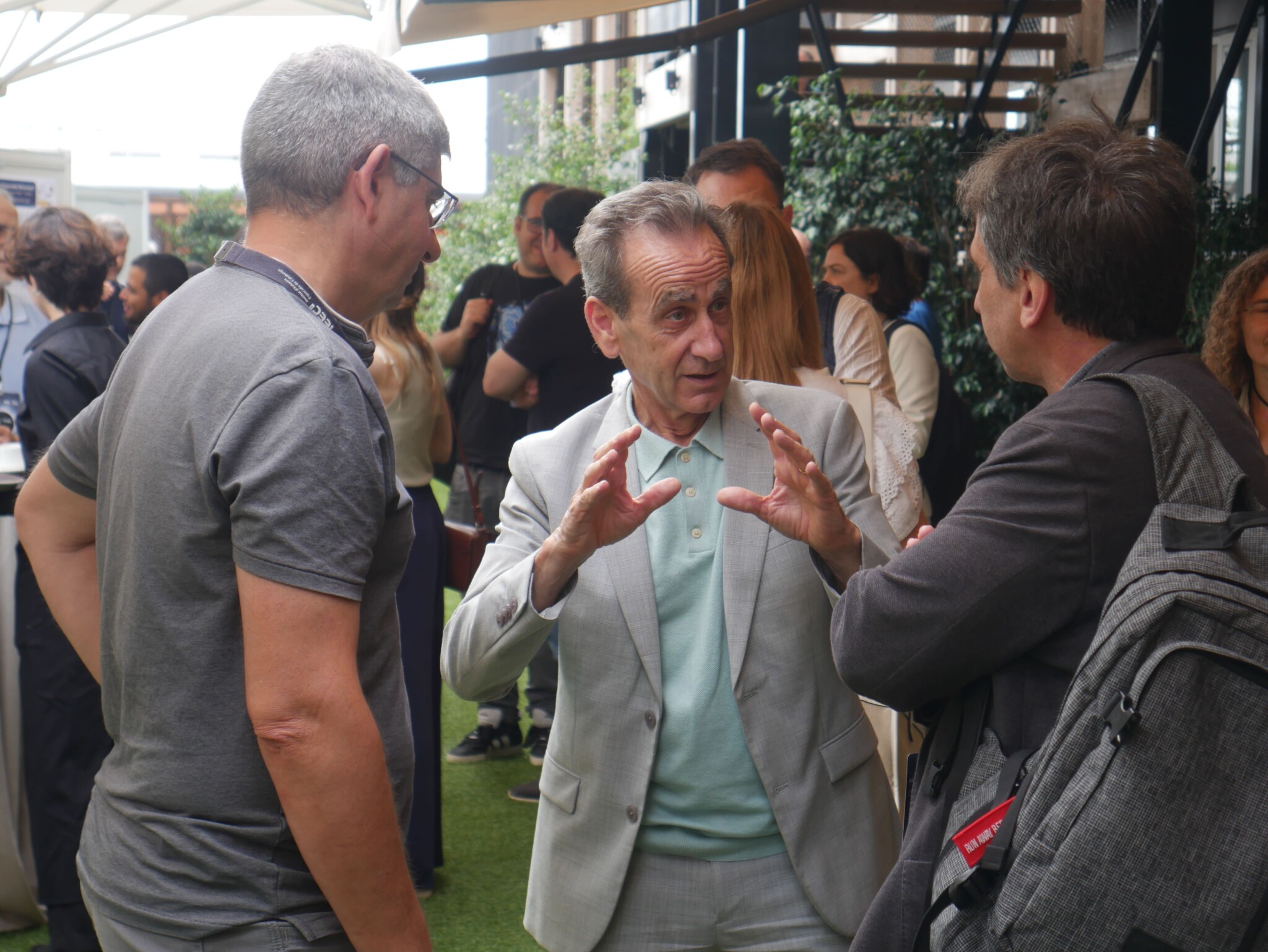
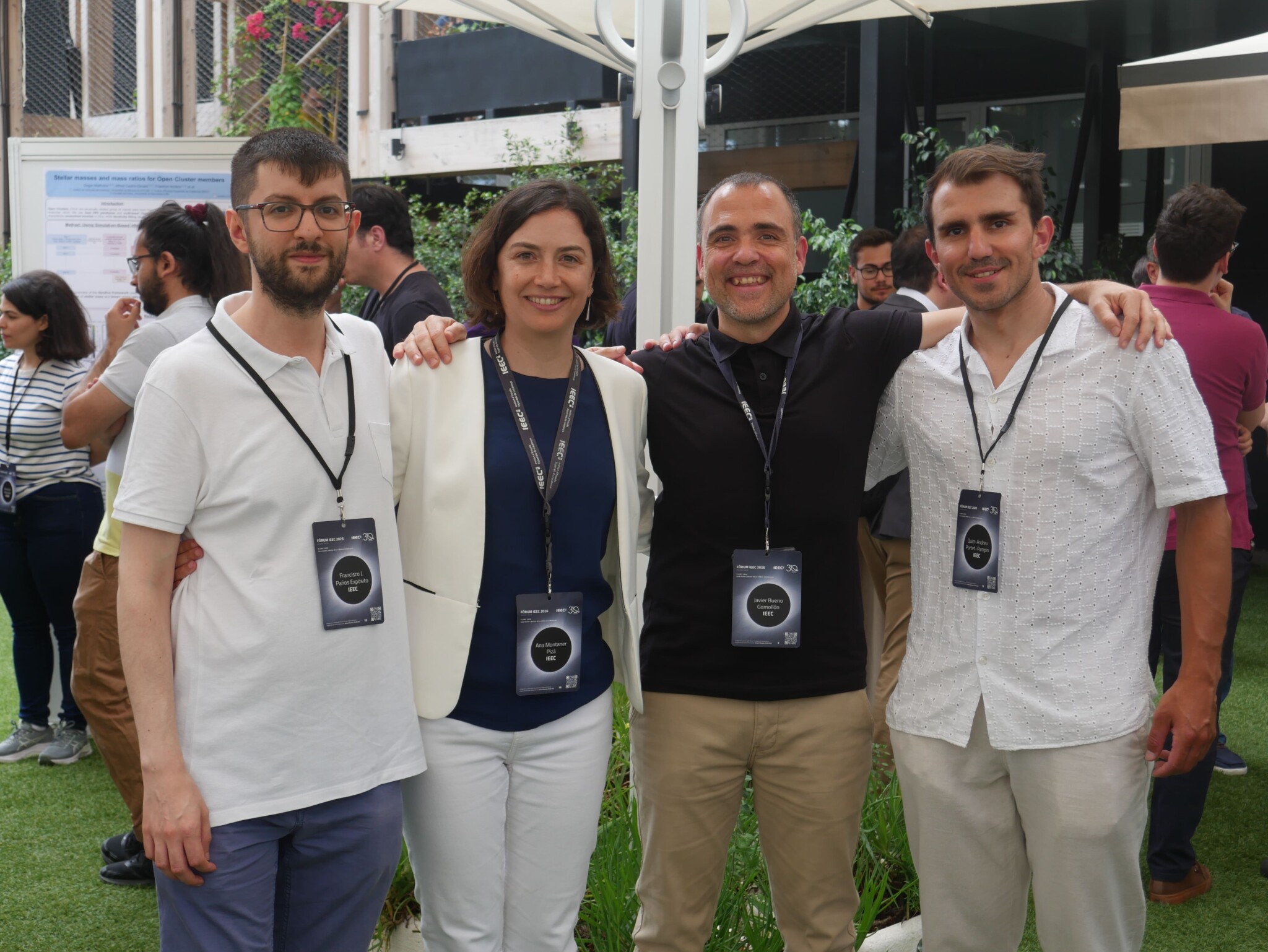
The 8th IEEC Forum brought together nearly 170 attendees, in a day focused on the Institute’s 30th anniversary.
Founded in 1996, the IEEC is now reaching its third decade of existence in a phase of continued growth, and is established as a leading centre for research and innovation in space science and technologies, as well as for the development of its ecosystem.
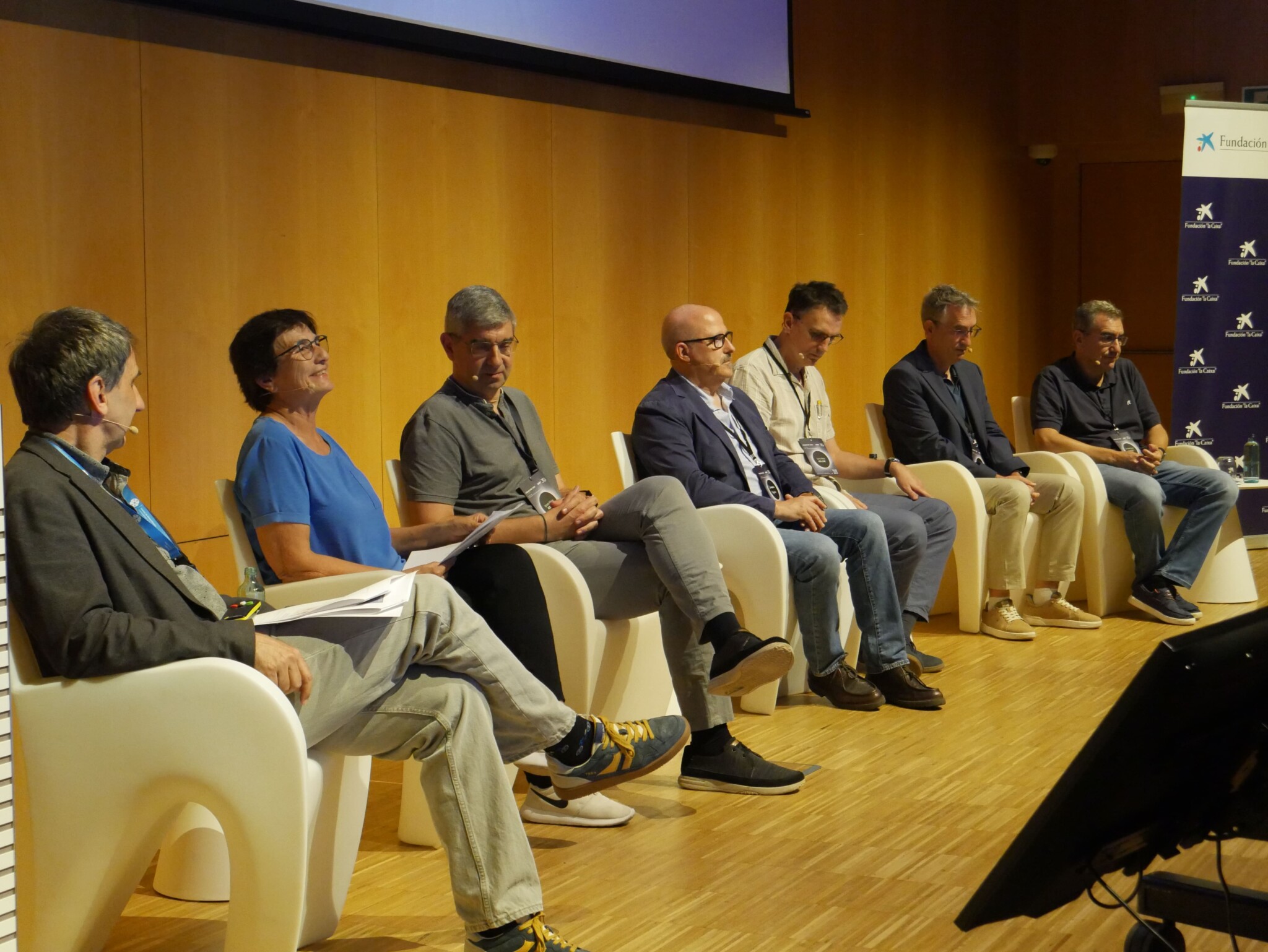
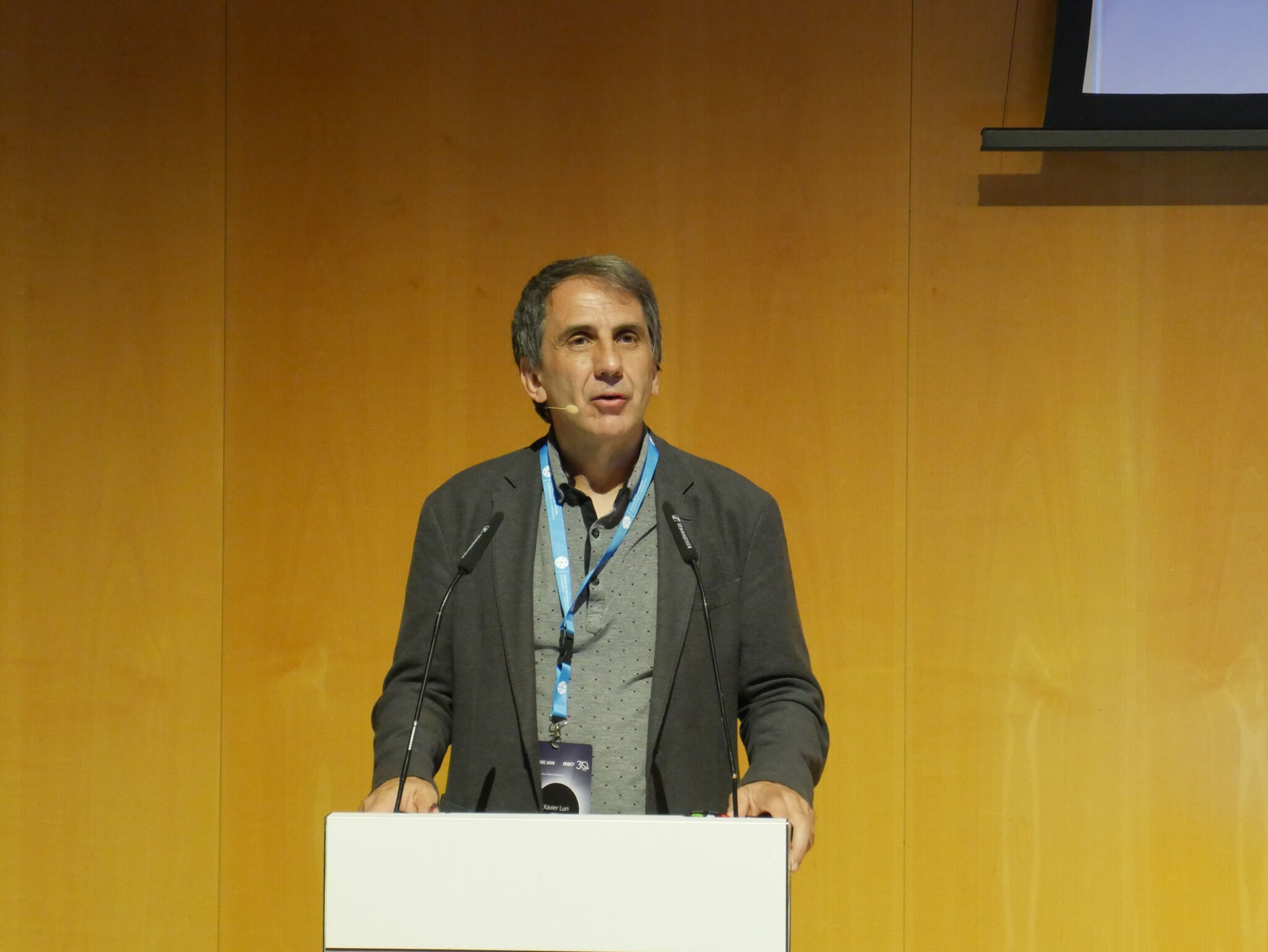
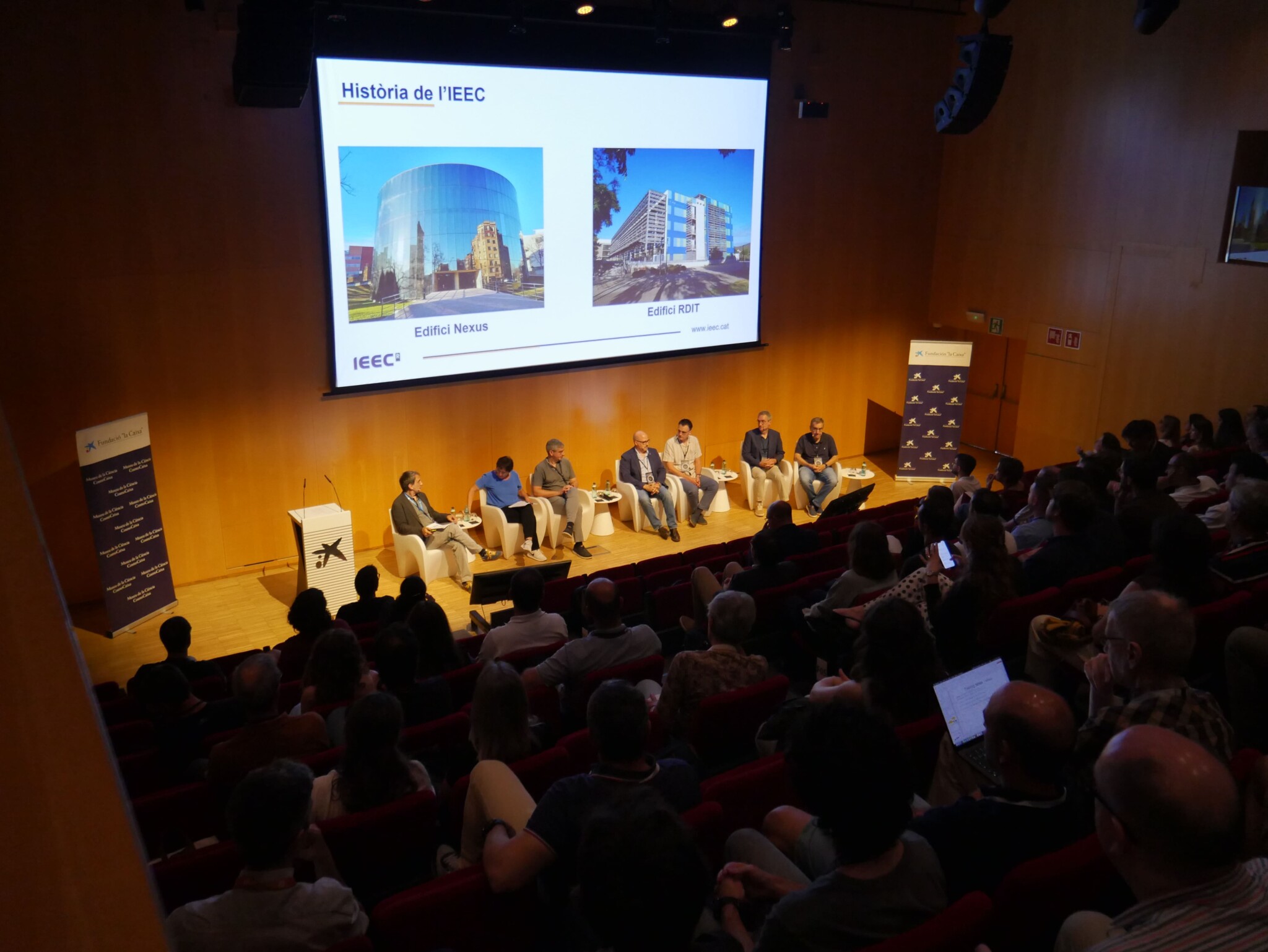
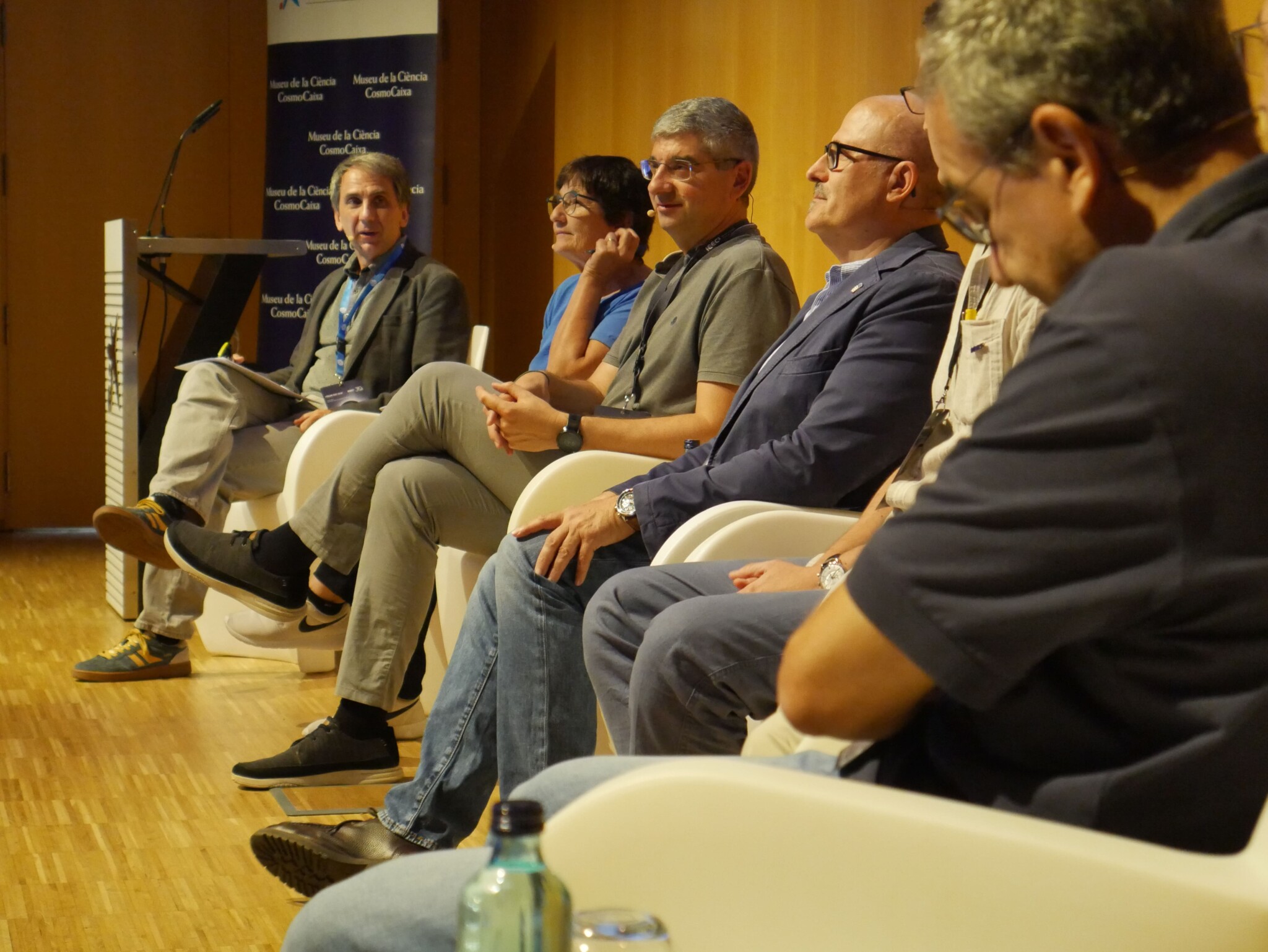
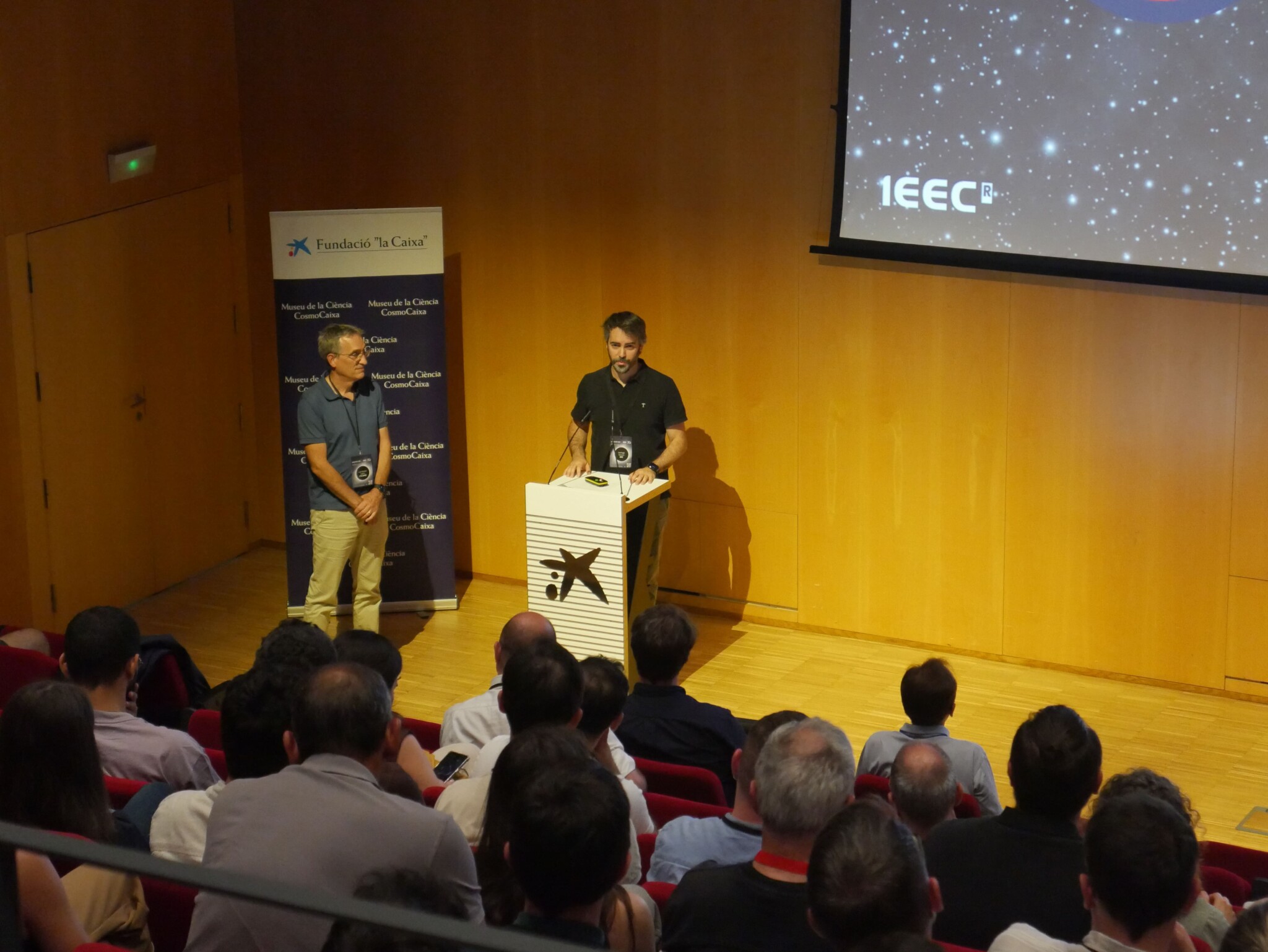
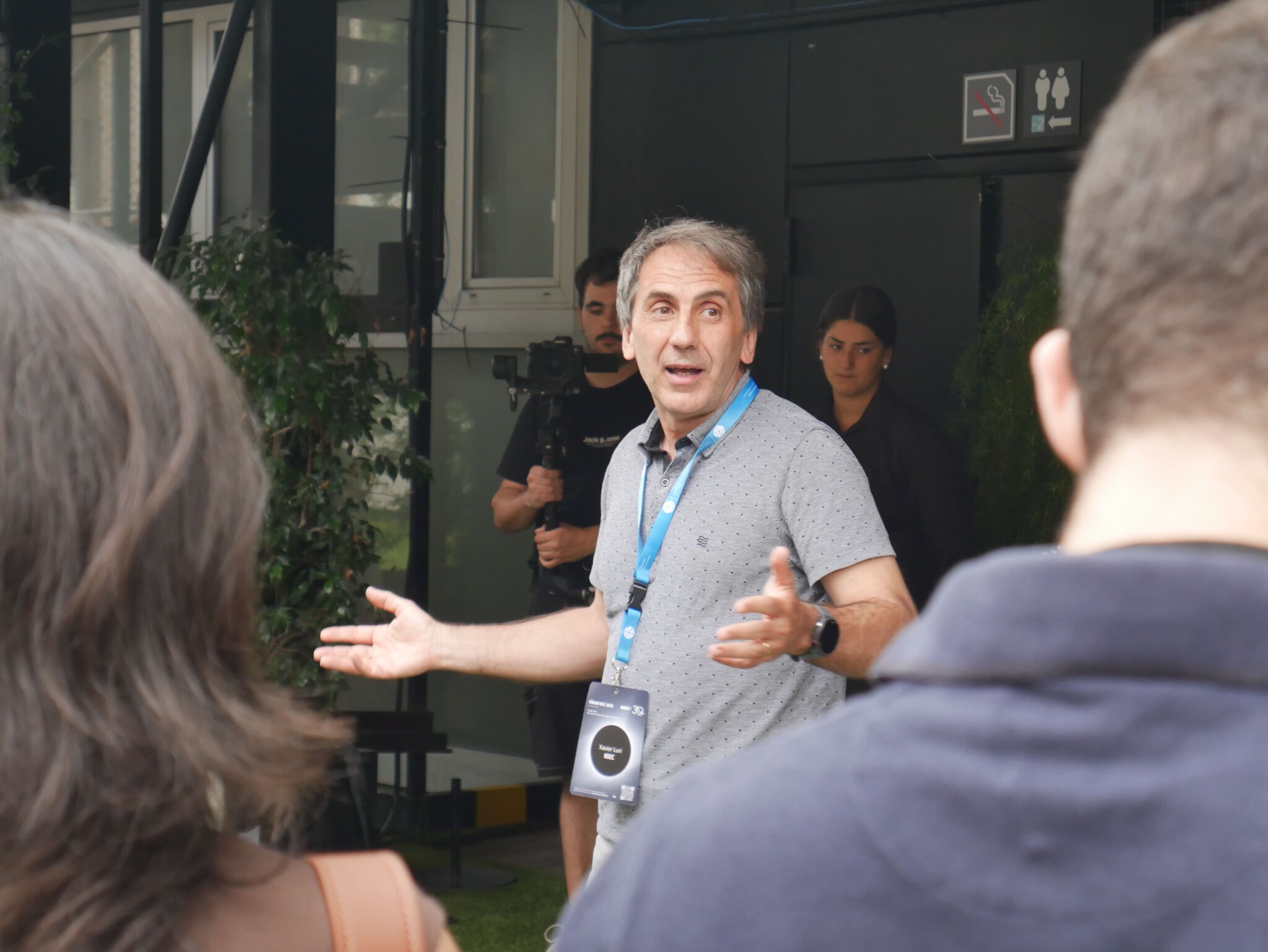
The day began with a welcome session and general presentation delivered by the director of the IEEC, Xavier Luri, who was opening the institution’s annual meeting in this role for the first time. This was followed by one of the morning’s highlights: the round table discussion “Thirty Years of the IEEC”.
Moderated by Xavier Luri himself, the session featured the participation of former IEEC directors Ignasi Ribas (2017–2025) and Cesca Figueras (executive director during Jordi Torra’s term; 2016–2017), as well as the current directors of its research units: Domènec Espriu, director of the Institute of Cosmos Sciences of the University of Barcelona (ICCUB); Gonzalo Seco, director of the Centre for Space Studies and Research of the Autonomous University of Barcelona (CERES, UAB); Juan Ramos, director of the Space Science and Technology group at the UPC – BarcelonaTech (CTE, UPC); and Serni Ribó, deputy technical director of the Institute of Space Sciences (ICE-CSIC).
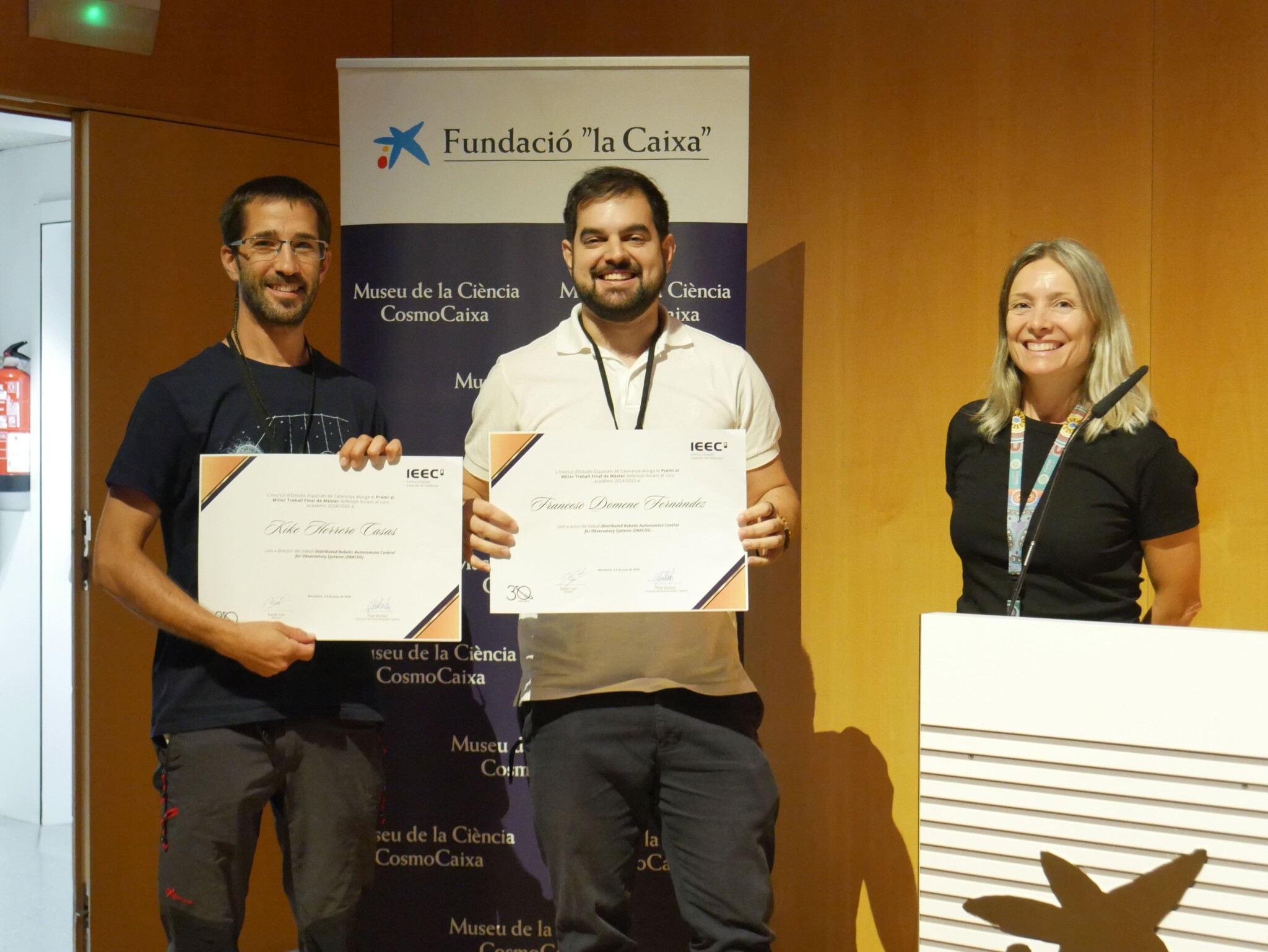
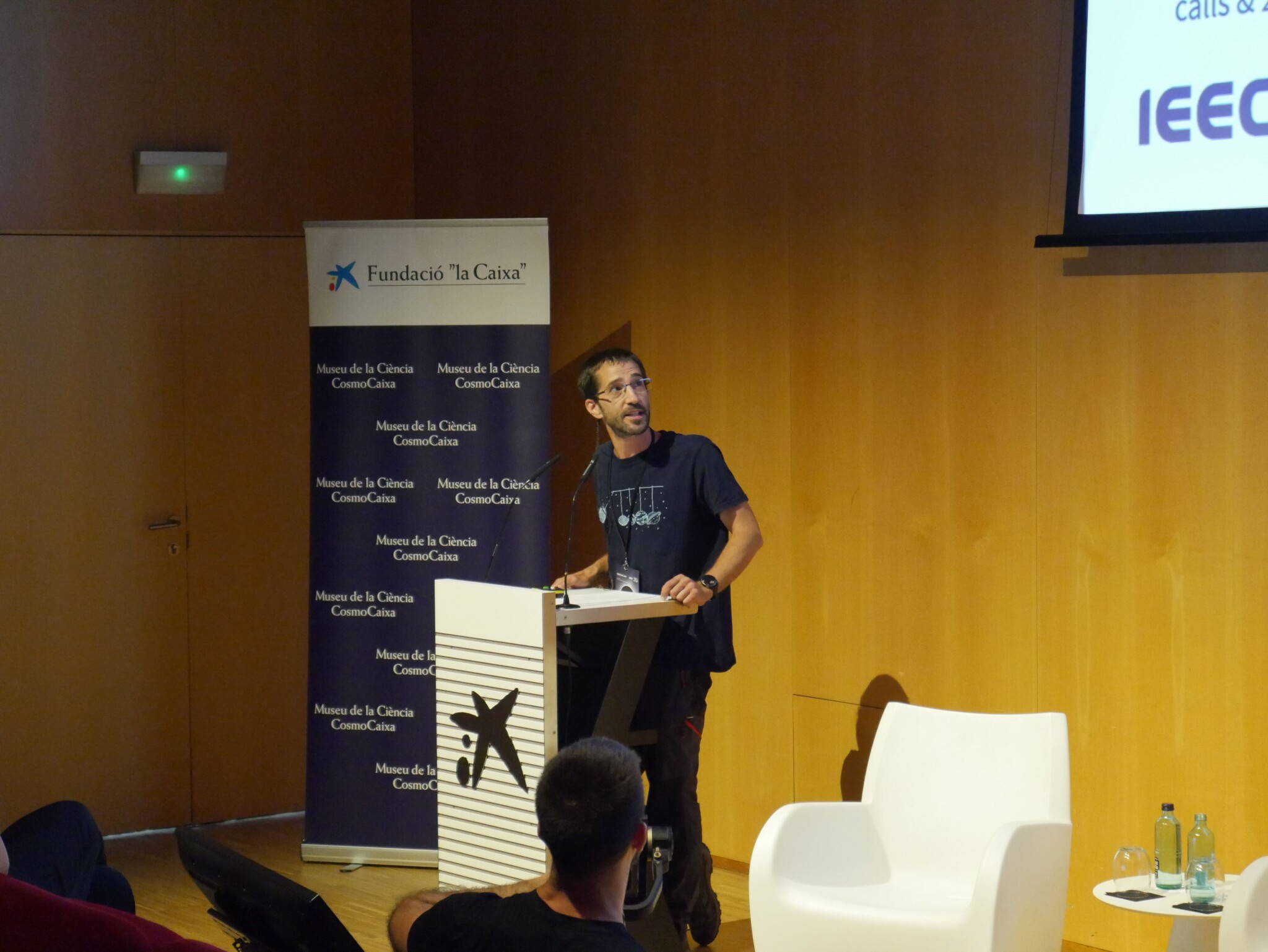
This first session concluded by focusing on new infrastructures and future strategic directions. On the one hand, Kike Herrero, director of the Montsec Observatory (OdM), spoke about the observatory’s infrastructure. Next, Dani Sors, head of the Services and Industrial Promotion Office of the APEC (Area for the Promotion of the Space Sector of Catalonia) at the IEEC, presented the main work areas of the Catalonia Space Strategy 2030, promoted by the Government of Catalonia in collaboration with the IEEC, as well as the Barcelona IAC 2029 bid, the proposal to host the International Astronautical Congress in 2029.
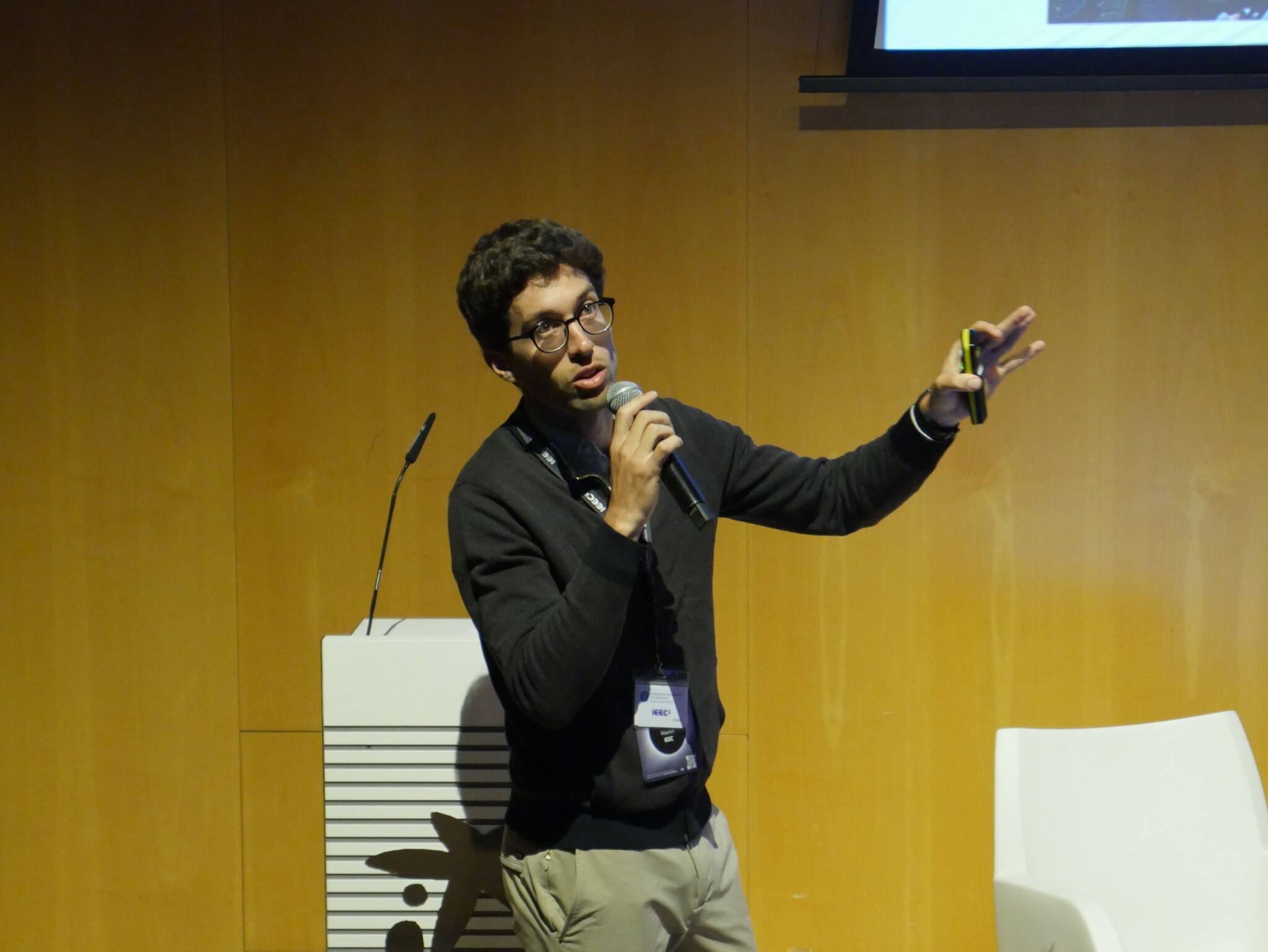
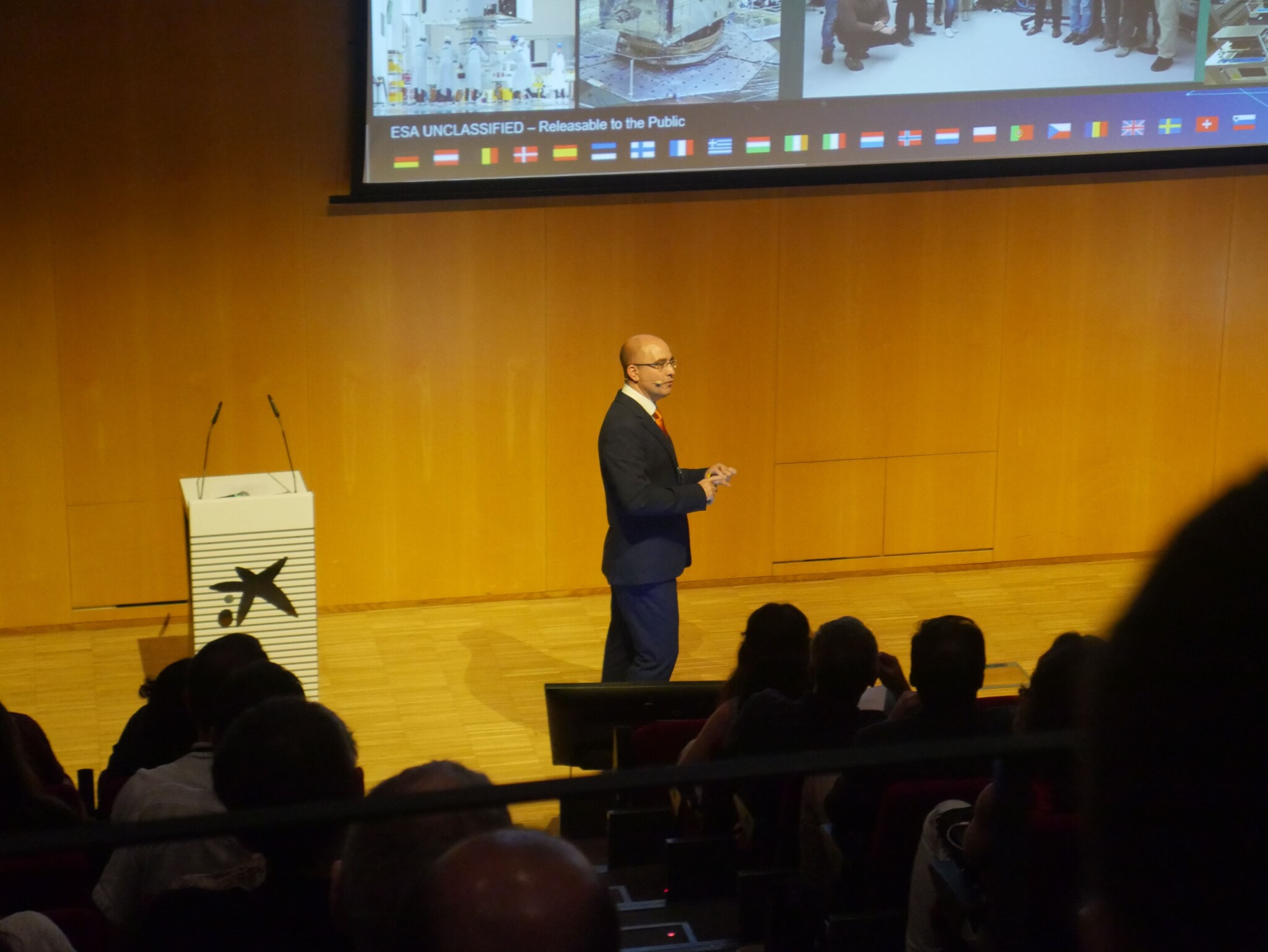
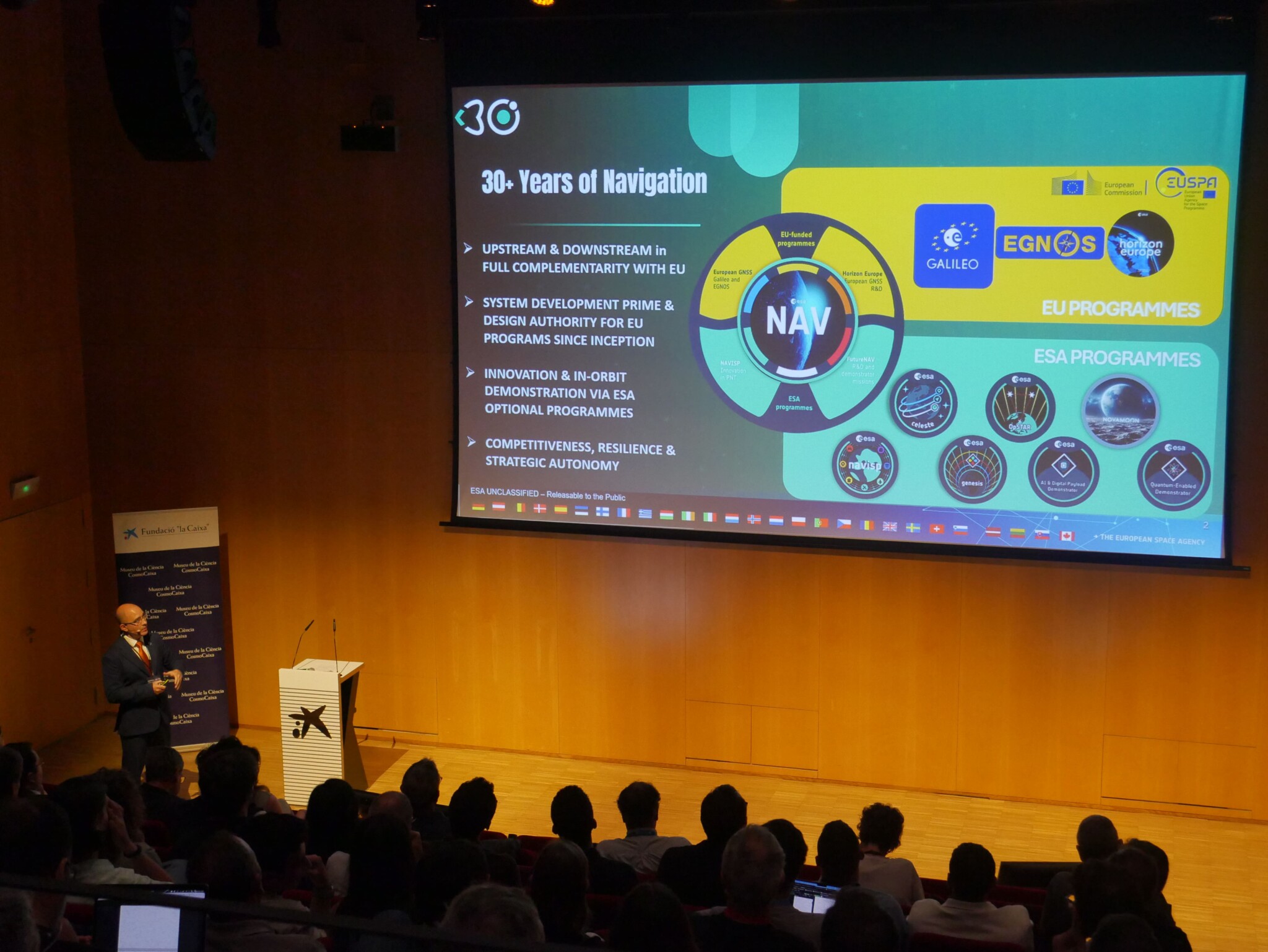
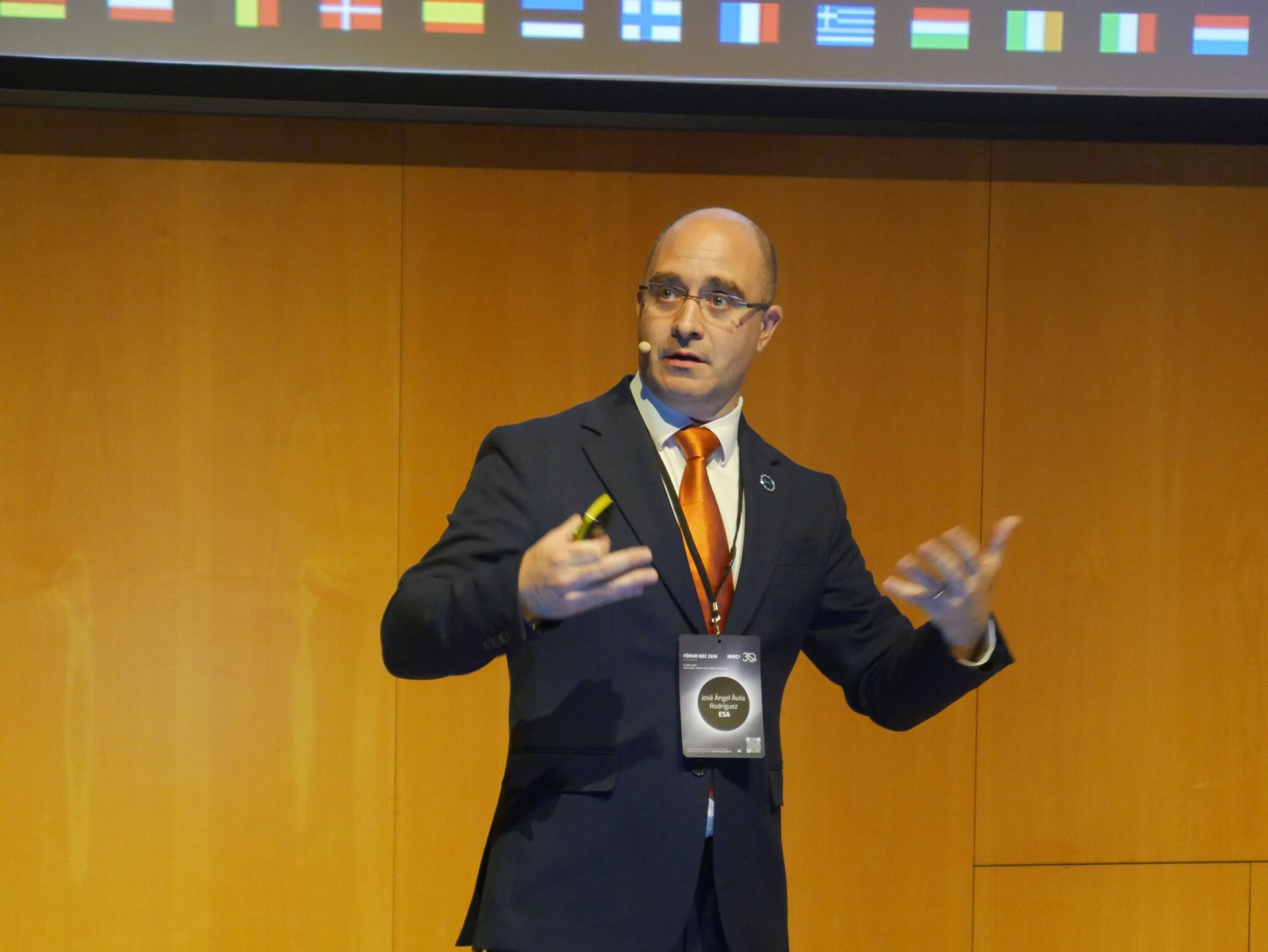
The second session of the day began with a guest talk delivered by José Ángel Ávila Rodríguez, Head of the Future Programmes Office at the European Space Agency (ESA), who spoke about the technological challenges and development lines of the next generation of satellite navigation programmes within the agency.
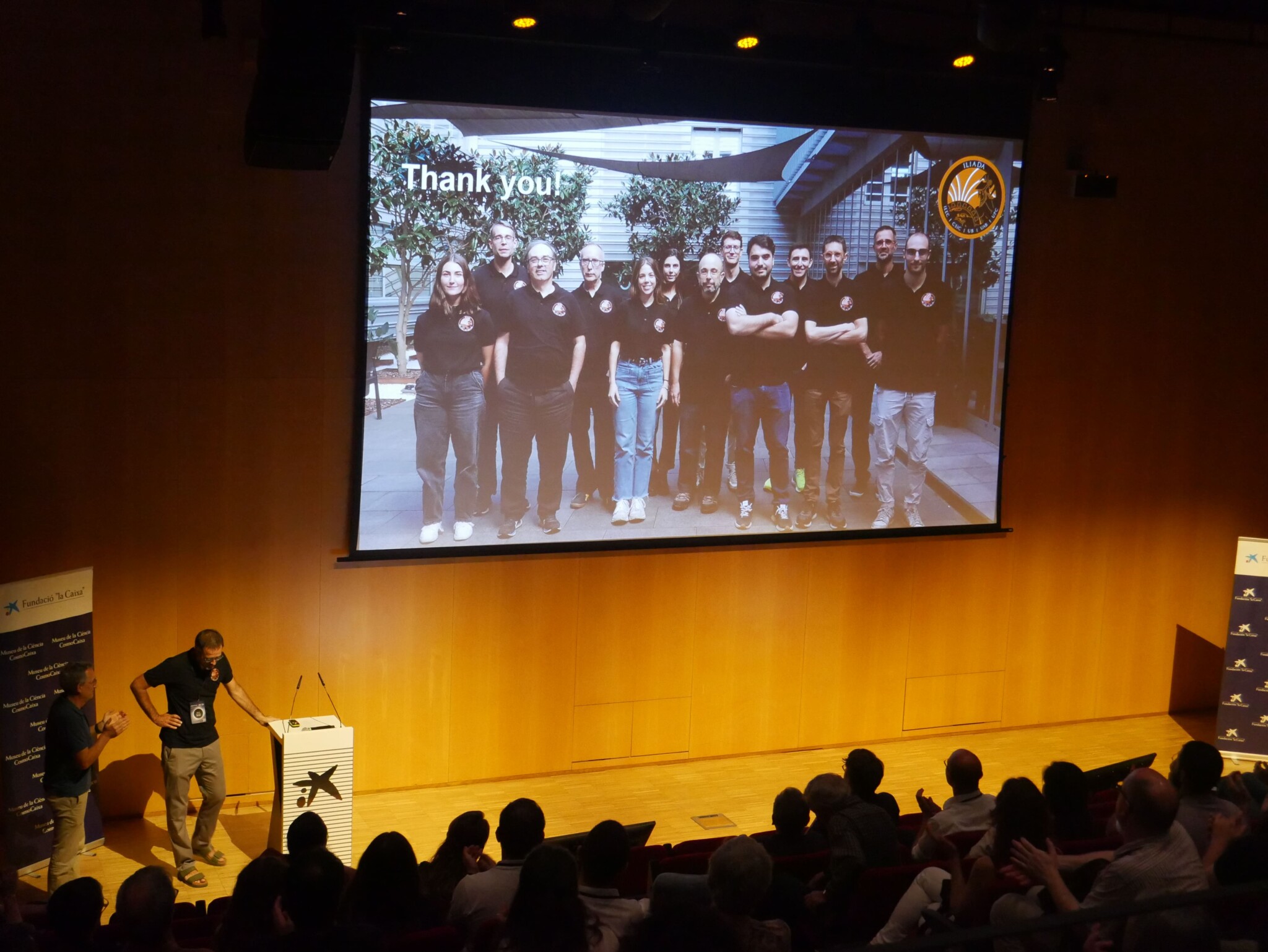
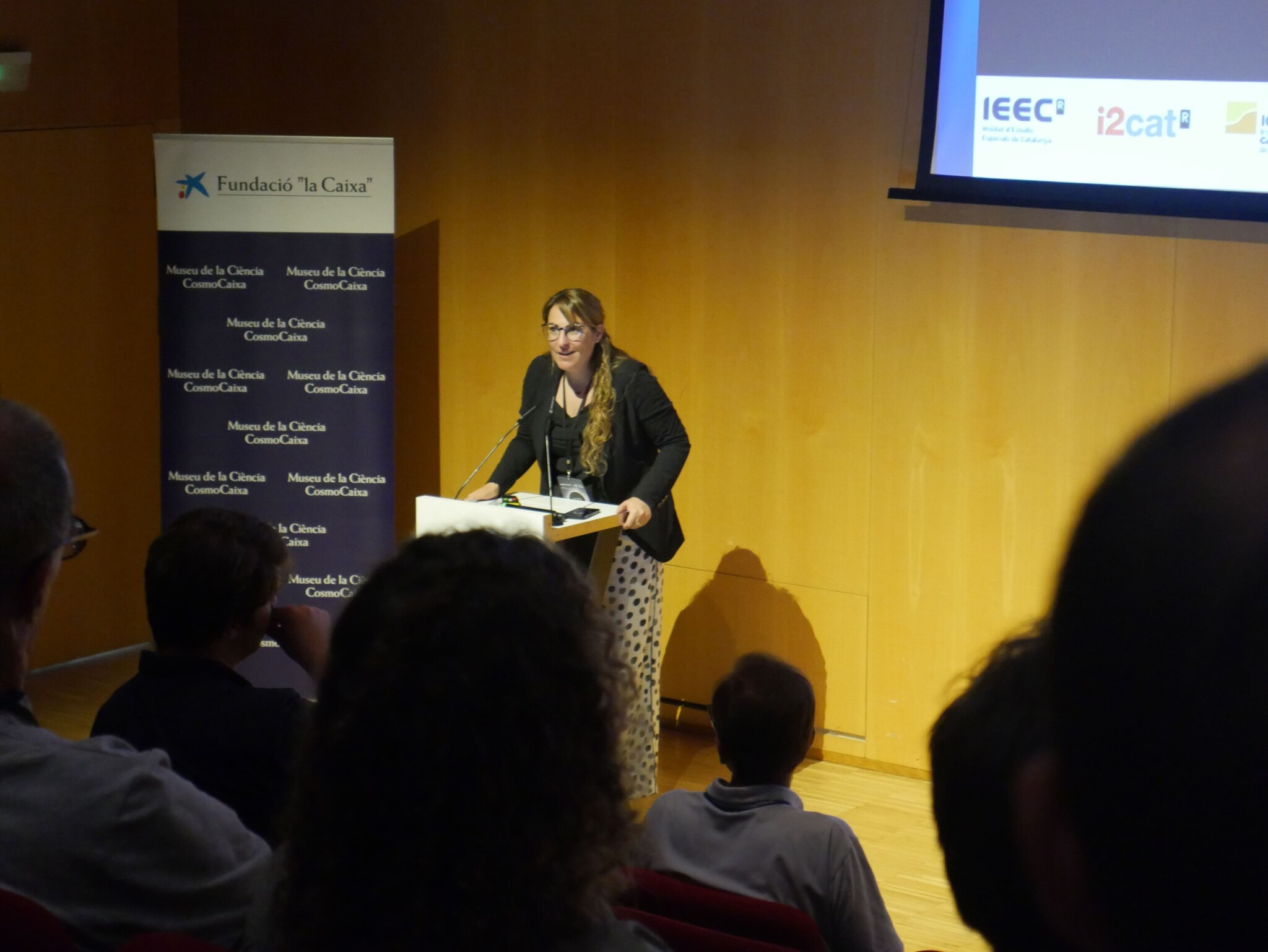
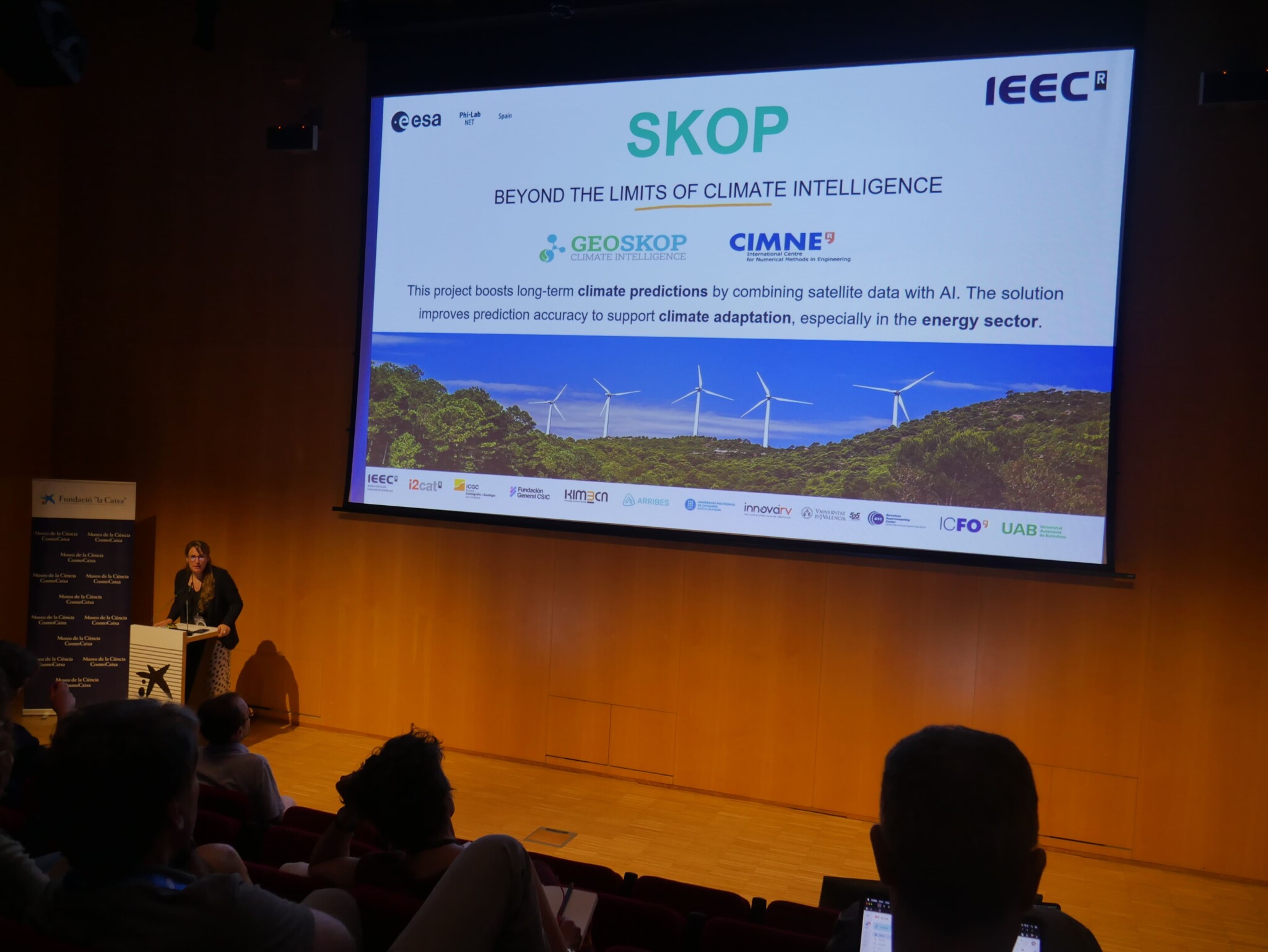
The third session of the Forum offered attendees an overview of the main missions and key projects carried out by researchers at the IEEC. During the session, the PhotSat mission, the ILIADA in-orbit demonstrator, the current status of the ESA ARRAKIHS mission, and the role of the ESA Phi-Lab Spain programme in bringing research closer to the market were presented, among others.

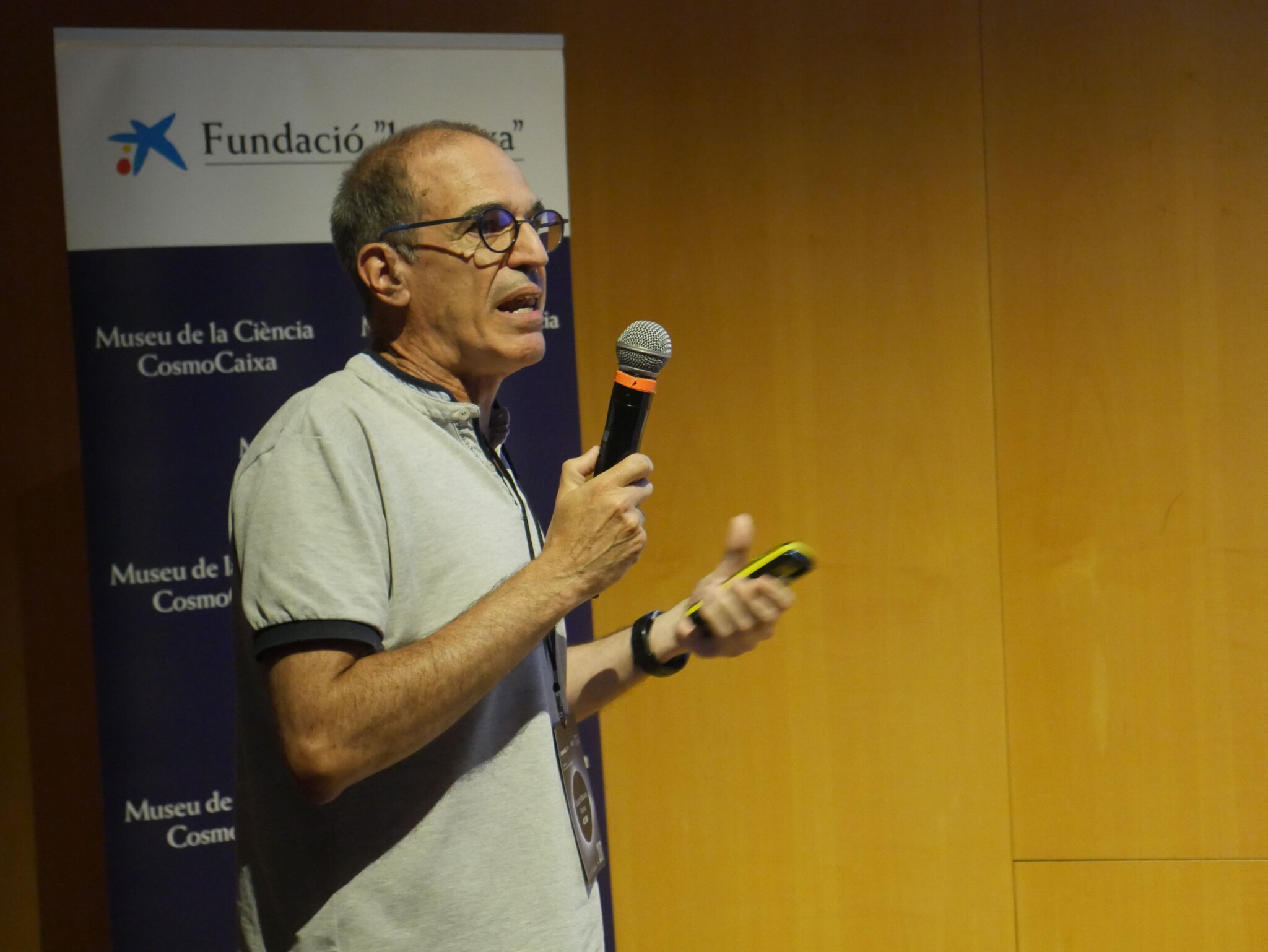
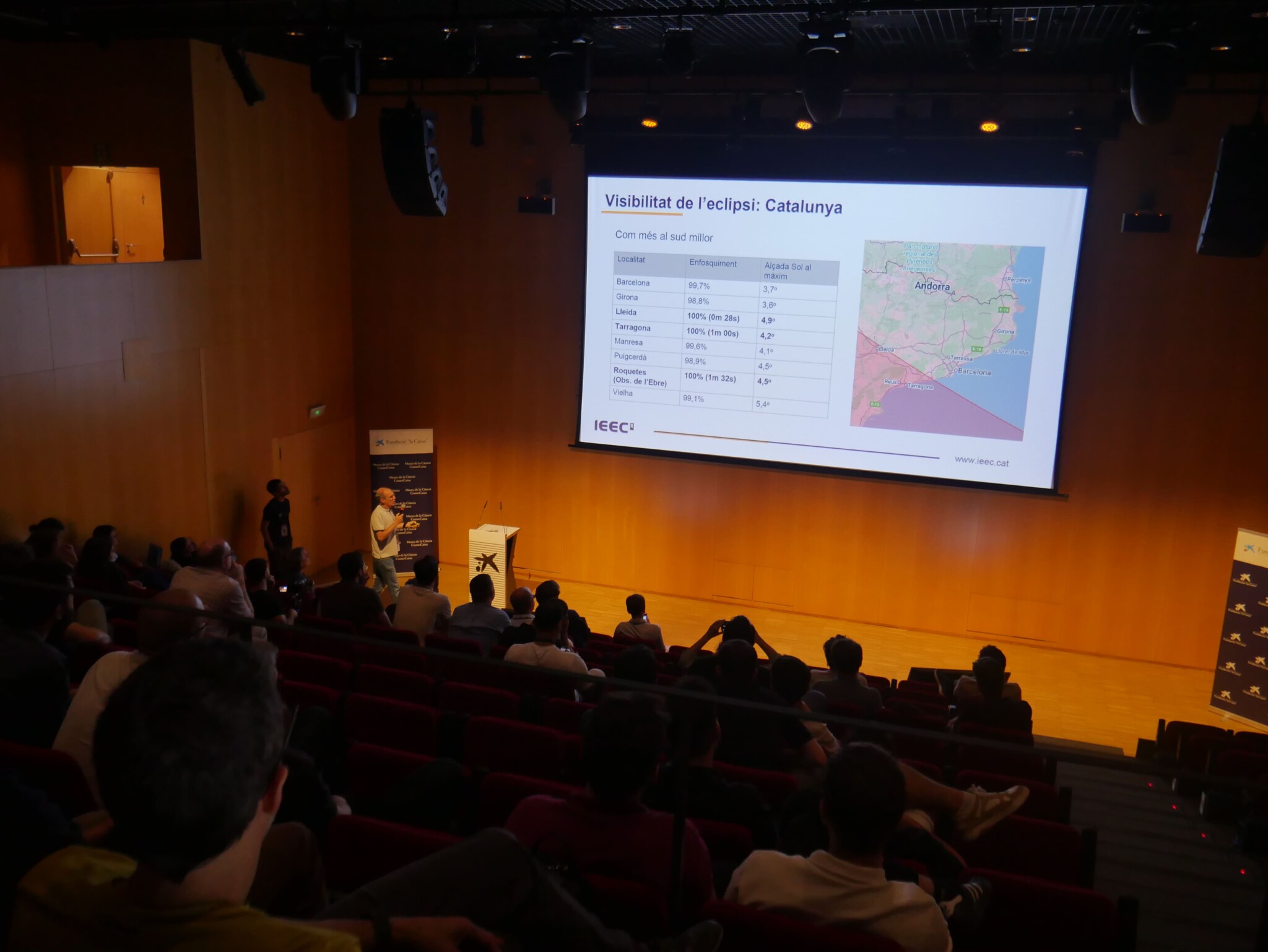
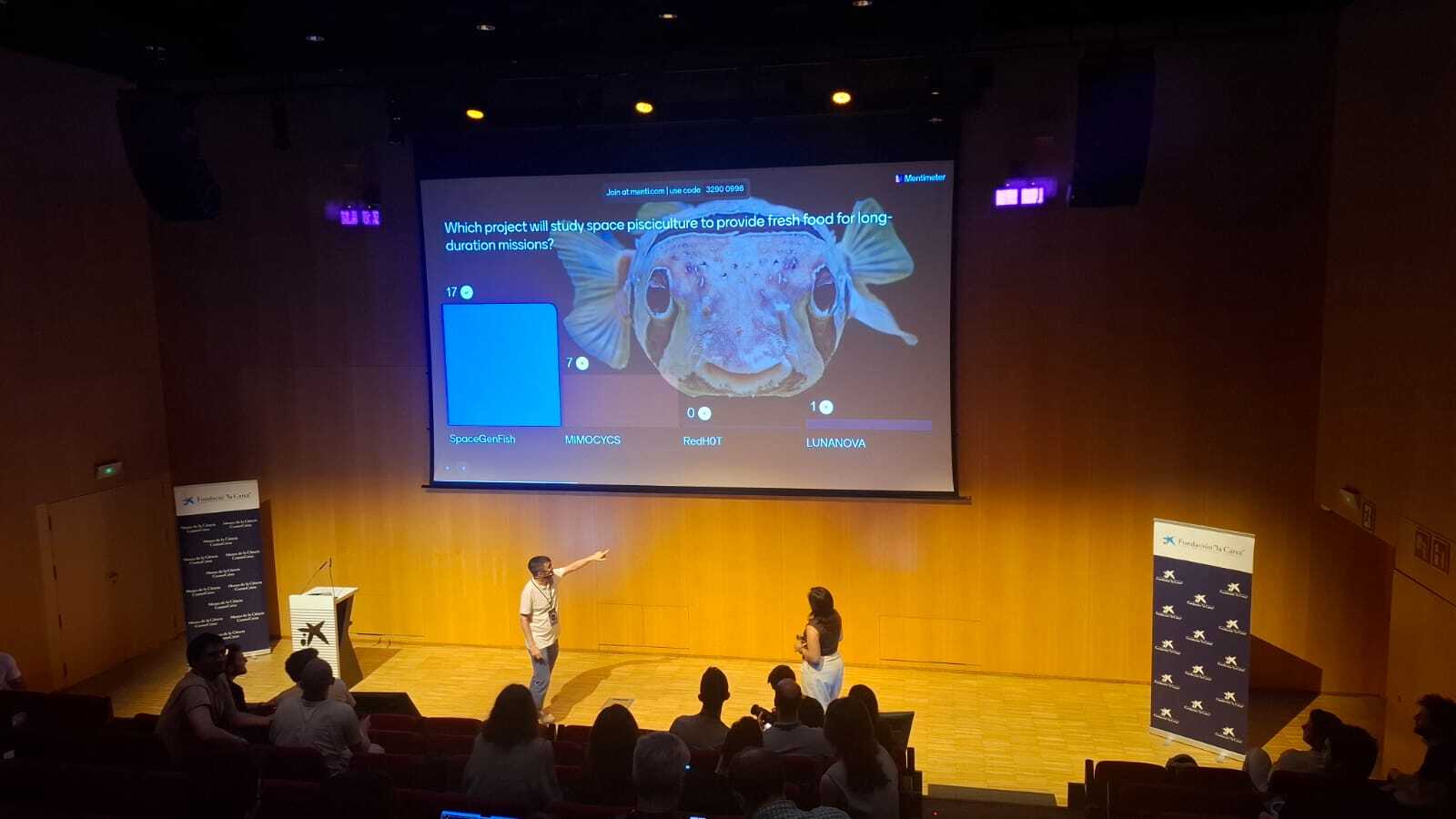
The final session before the now traditional interactive quiz (a competition of varied questions on IEEC’s areas of work and other topical issues in the space sector) was a talk explaining all the details of the year’s major astronomical event: the total solar eclipse that will take place on 12 August, whose path of totality will cover a large part of southern Catalonia.
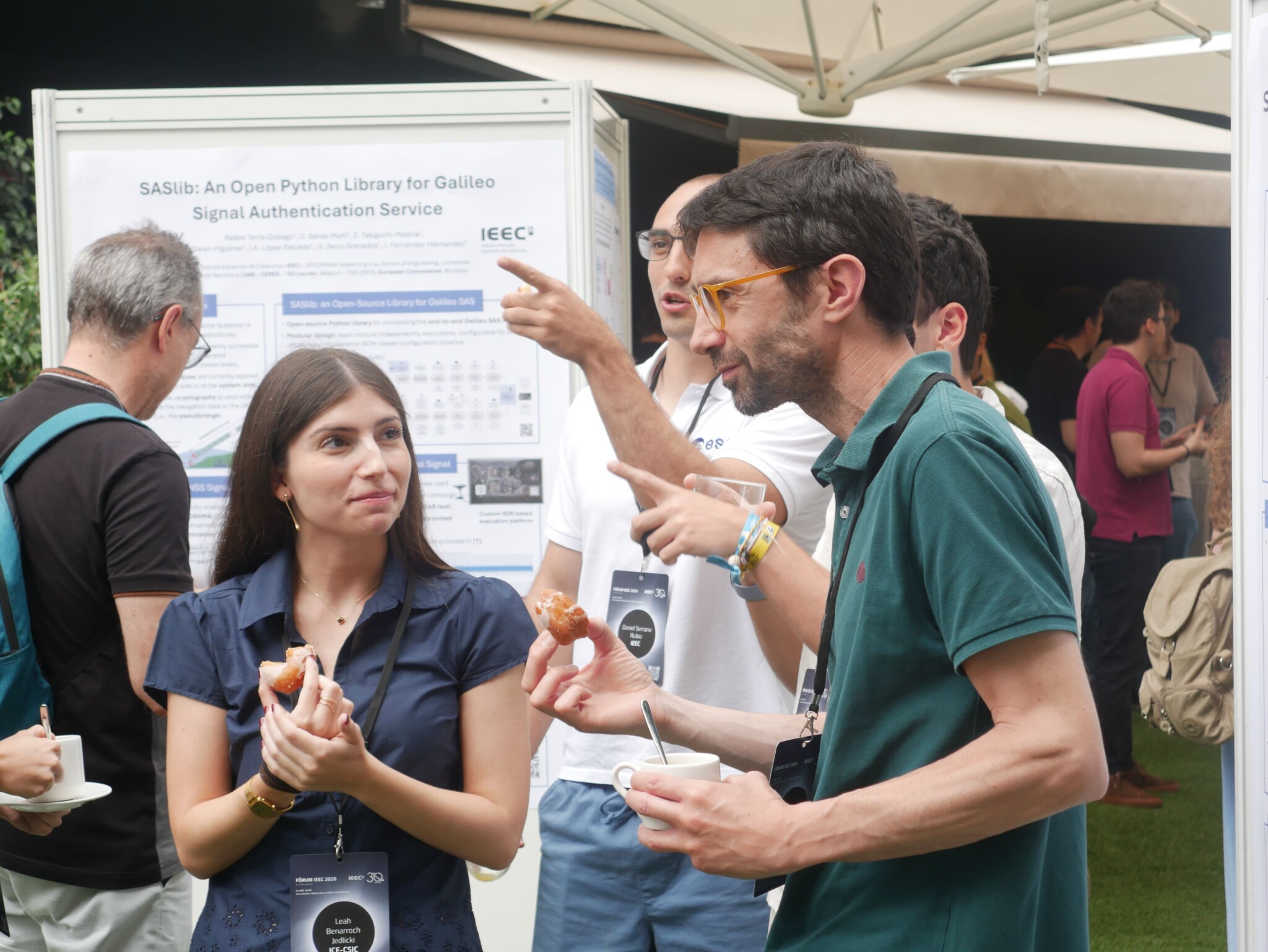
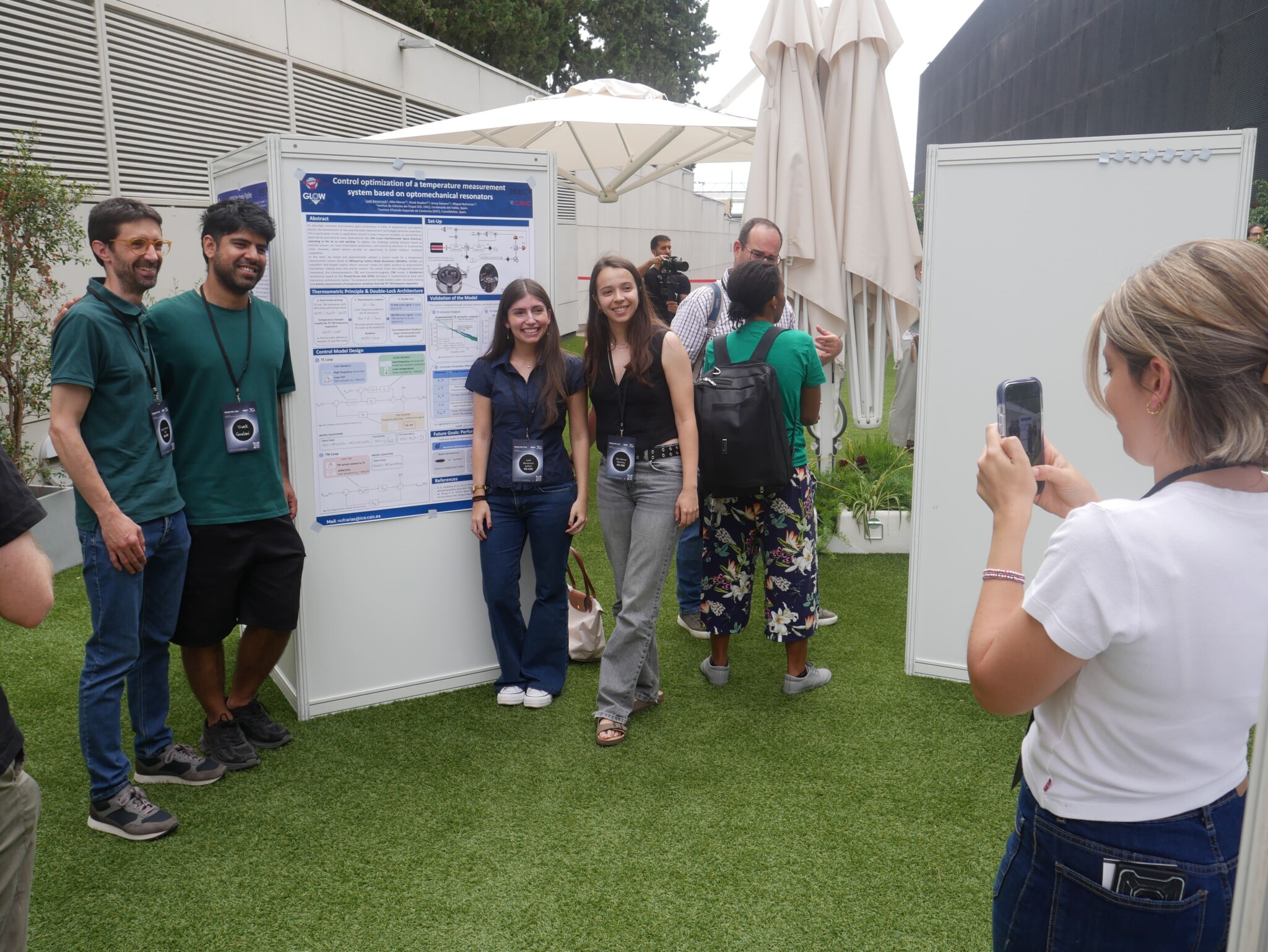
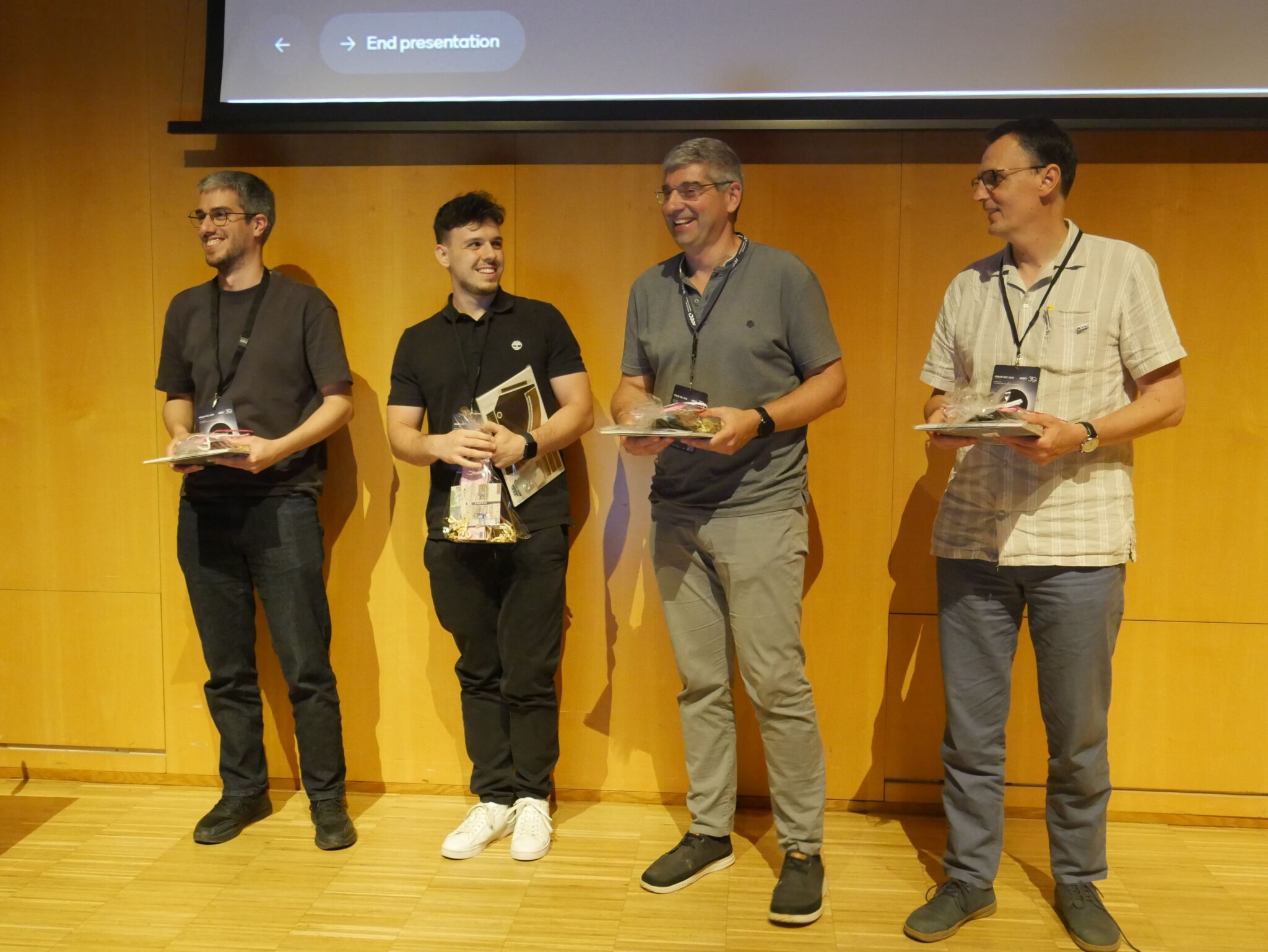
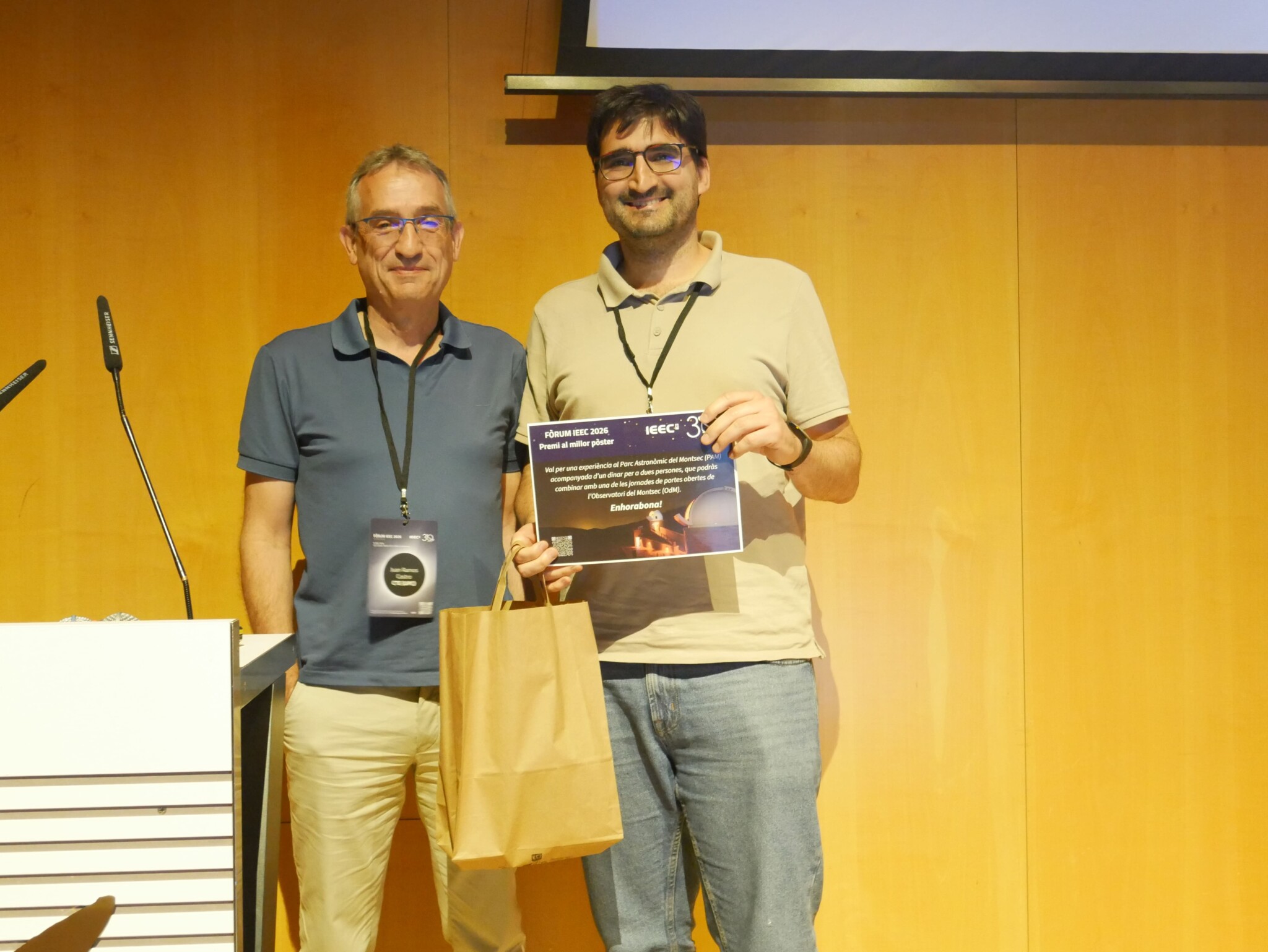
Continuing the format of previous editions, the Forum also offered initiatives specifically aimed at early-career engineers and researchers, as well as PhD students, providing them with the opportunity to deliver a series of lightning talks (elevator pitches) and to participate in a poster competition to present their research or ongoing projects. This year, the award for best poster went to the project “The PhotSat Mission”, collected by Ignasi Esteva, project manager of the mission.
Once again, the IEEC would like to thank all attendees and members of the institute for their participation in a day that, year after year, makes it possible to reconnect and share knowledge, reflections, and memorable moments as a community.
Thank you all, and see you at the next Forum!
Image gallery
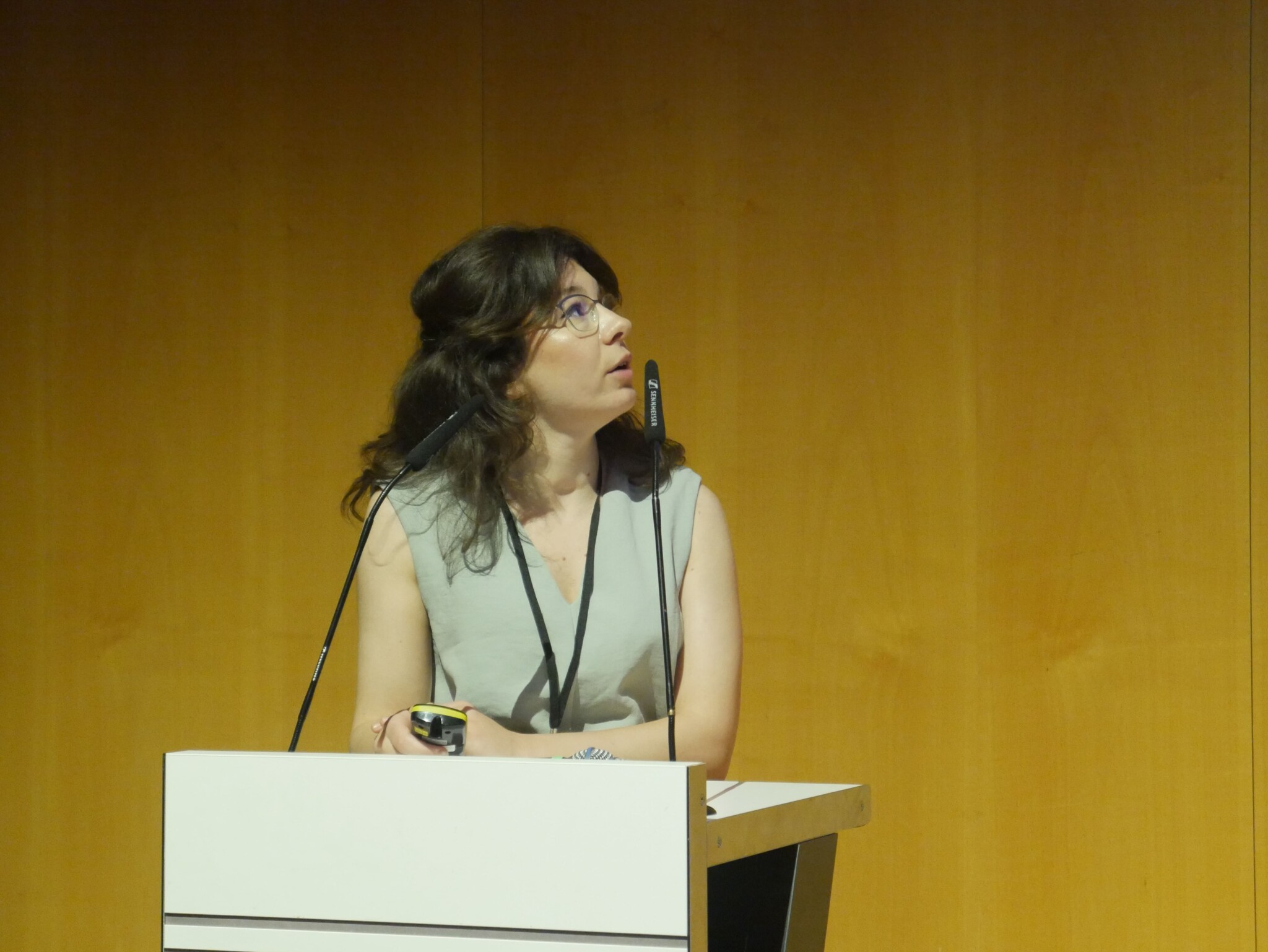
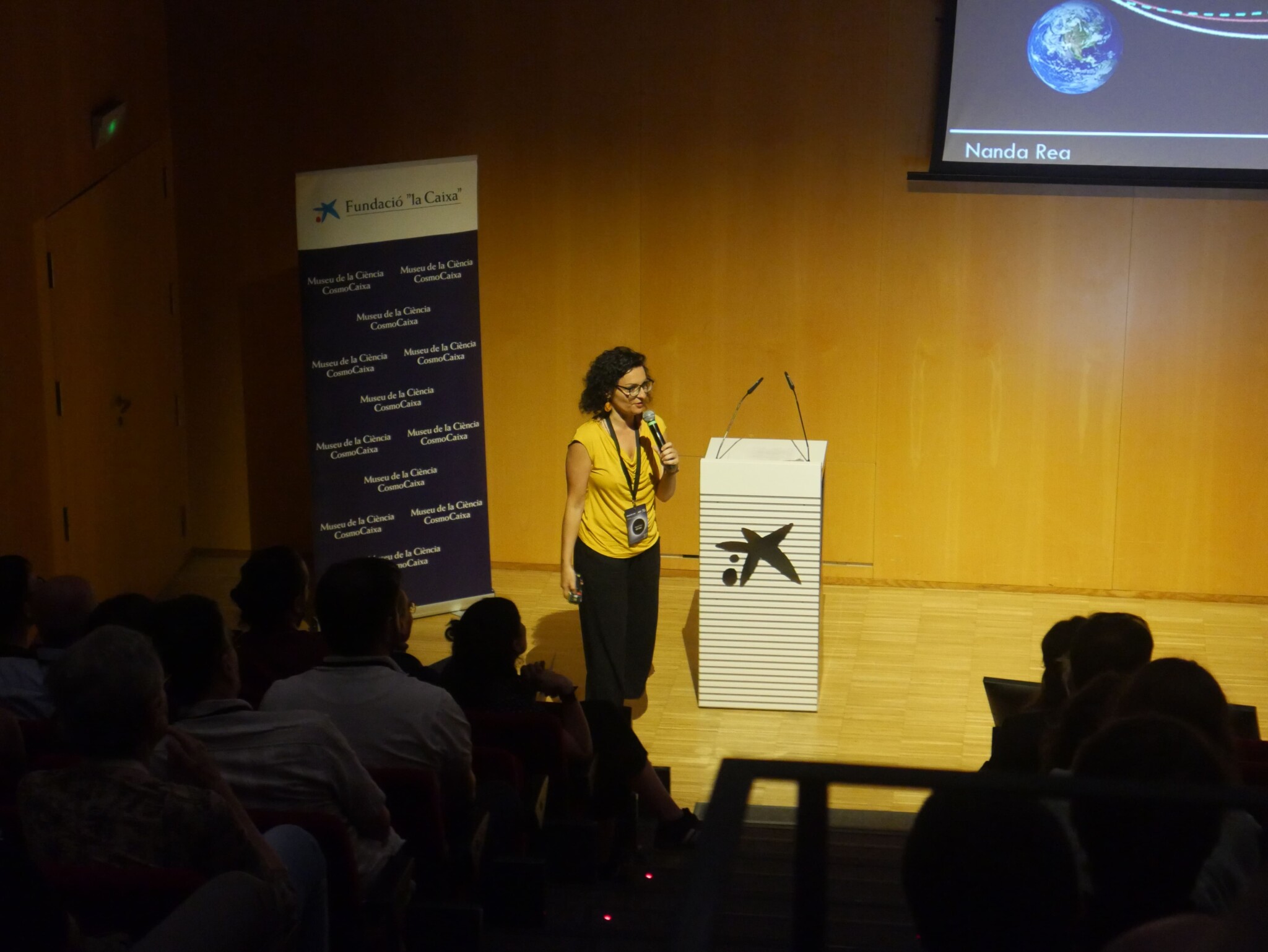
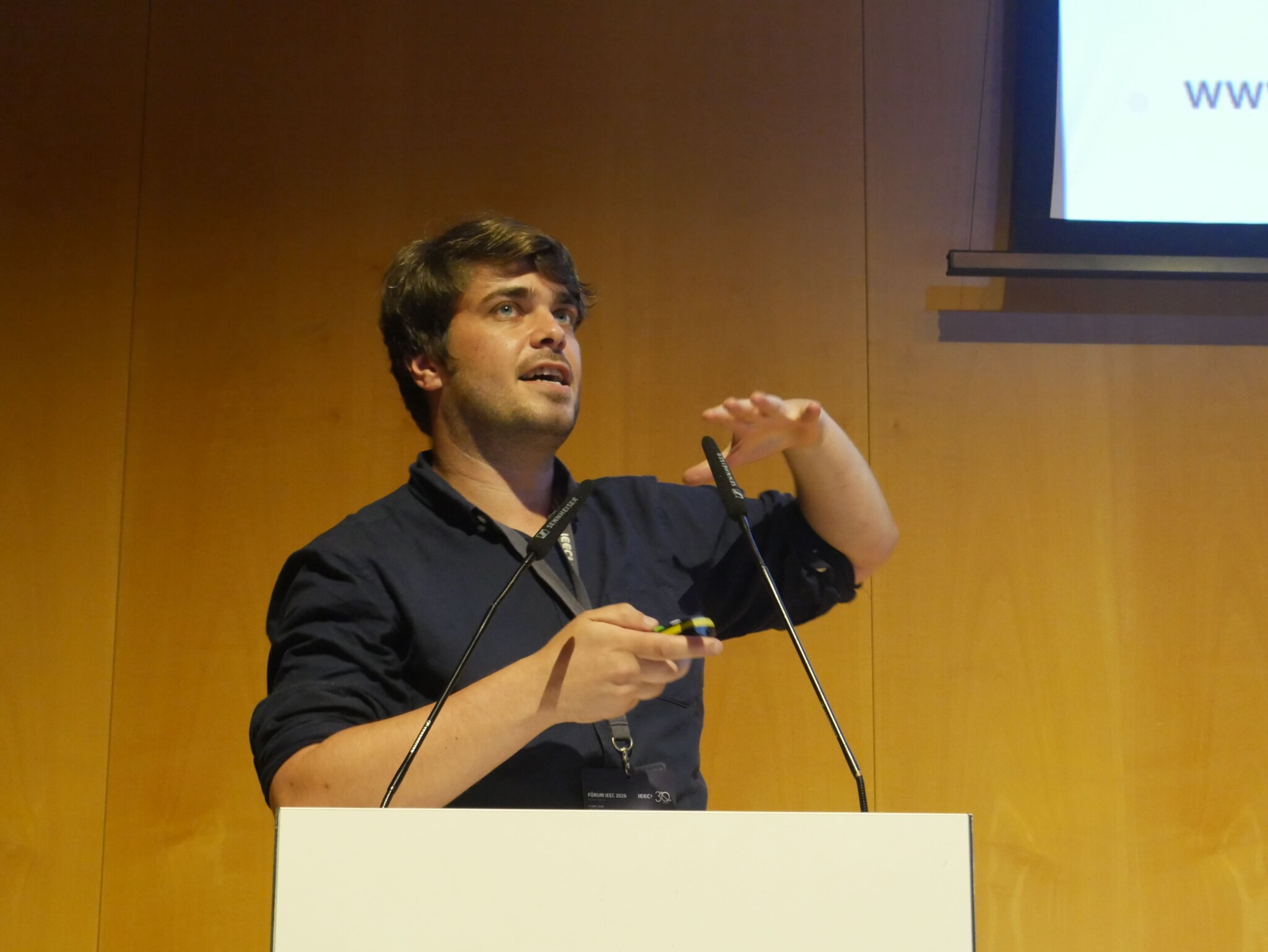
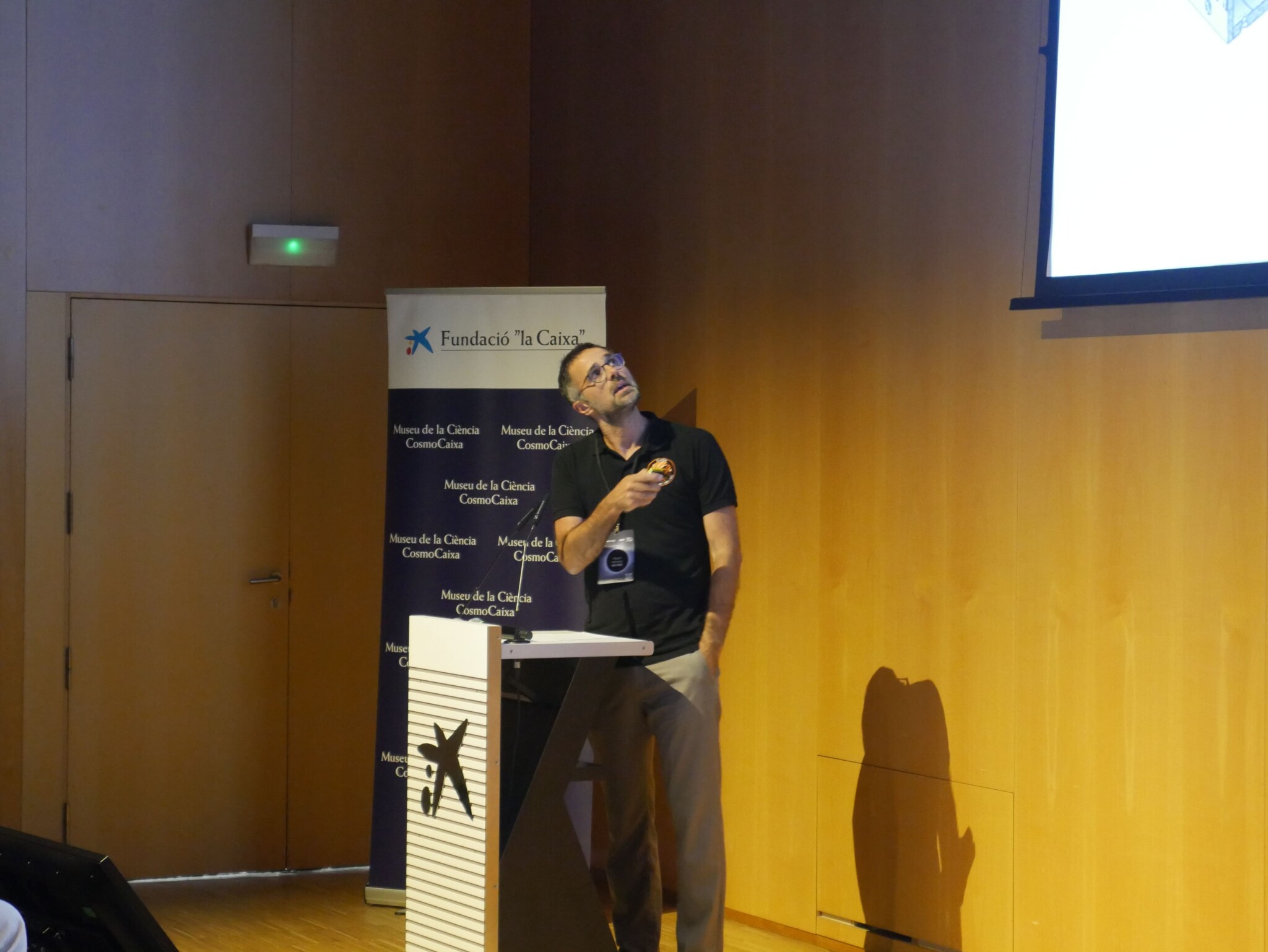
About the IEEC
The Institute of Space Studies of Catalonia (IEEC — Institut d’Estudis Espacials de Catalunya) promotes and coordinates space research and technology development in Catalonia for the benefit of society. IEEC fosters collaborations both locally and worldwide and is an efficient agent of knowledge, innovation and technology transfer. As a result of 30 years of high-quality research, done in collaboration with major international organisations, IEEC ranks among the best international research centres, focusing on areas such as: astrophysics, cosmology, planetary science, and Earth Observation. IEEC’s engineering division develops instrumentation for ground- and space-based projects, and has extensive experience in working with private or public organisations from the aerospace and other innovation sectors.
The IEEC is a non-profit public sector foundation that was established in February 1996. It has a Board of Trustees composed of the Generalitat de Catalunya, Universitat de Barcelona (UB), Universitat Autònoma de Barcelona (UAB), Universitat Politècnica de Catalunya · BarcelonaTech (UPC), and the Spanish Research Council (CSIC). The IEEC is also a CERCA centre.