


IEEC commissions a new thermal vacuum chamber to validate space technology in Catalonia
- The new TVAC (Thermal Vacuum Chamber) has been launched by the Institute of Space Studies of Catalonia (IEEC), in collaboration with the Institut de Física d’Altes Energies (IFAE)
- Located on the Bellaterra Campus of the Universitat Autònoma de Barcelona, it will allow companies, agencies and research centres within the space sector to test satellites, subsystems or components under conditions representative of the space environment
- This infrastructure has been made possible thanks to funding from the CERCA Ginys III call, with additional support from the IEEC and the Government of Catalonia, within the framework of the Catalonia Space 2030 Strategy. The IFAE has provided the necessary space and facilities for its operation

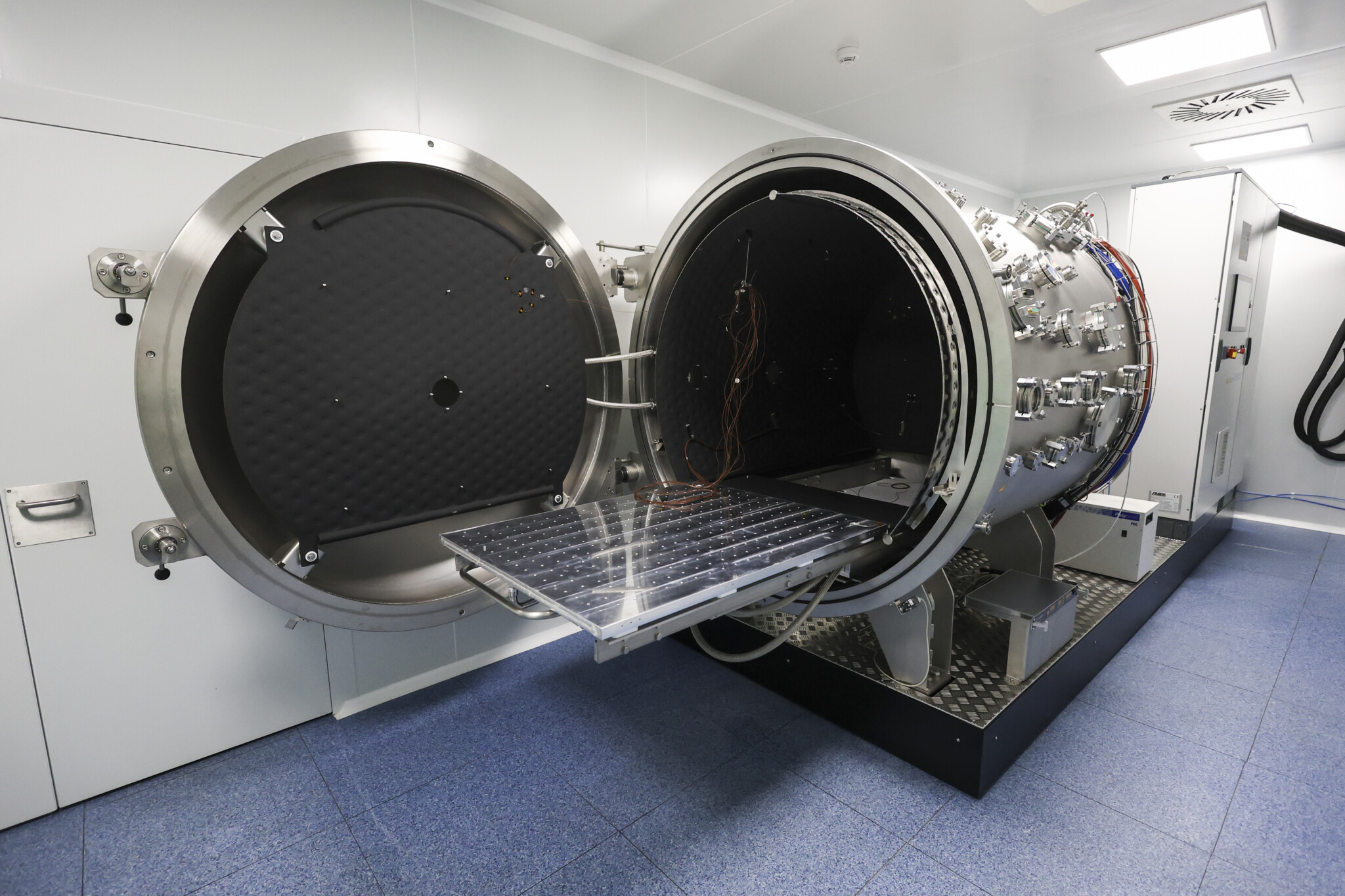
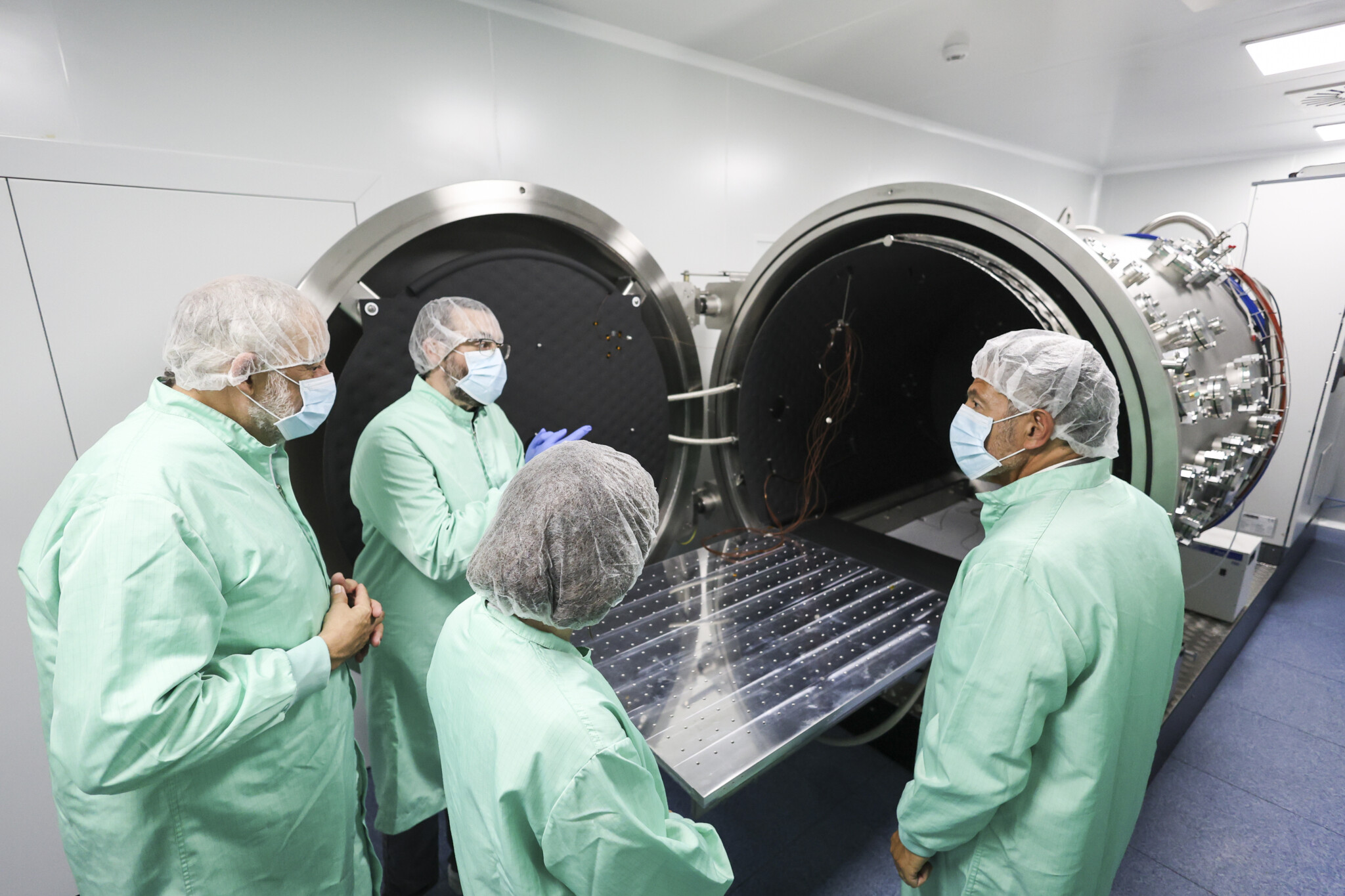
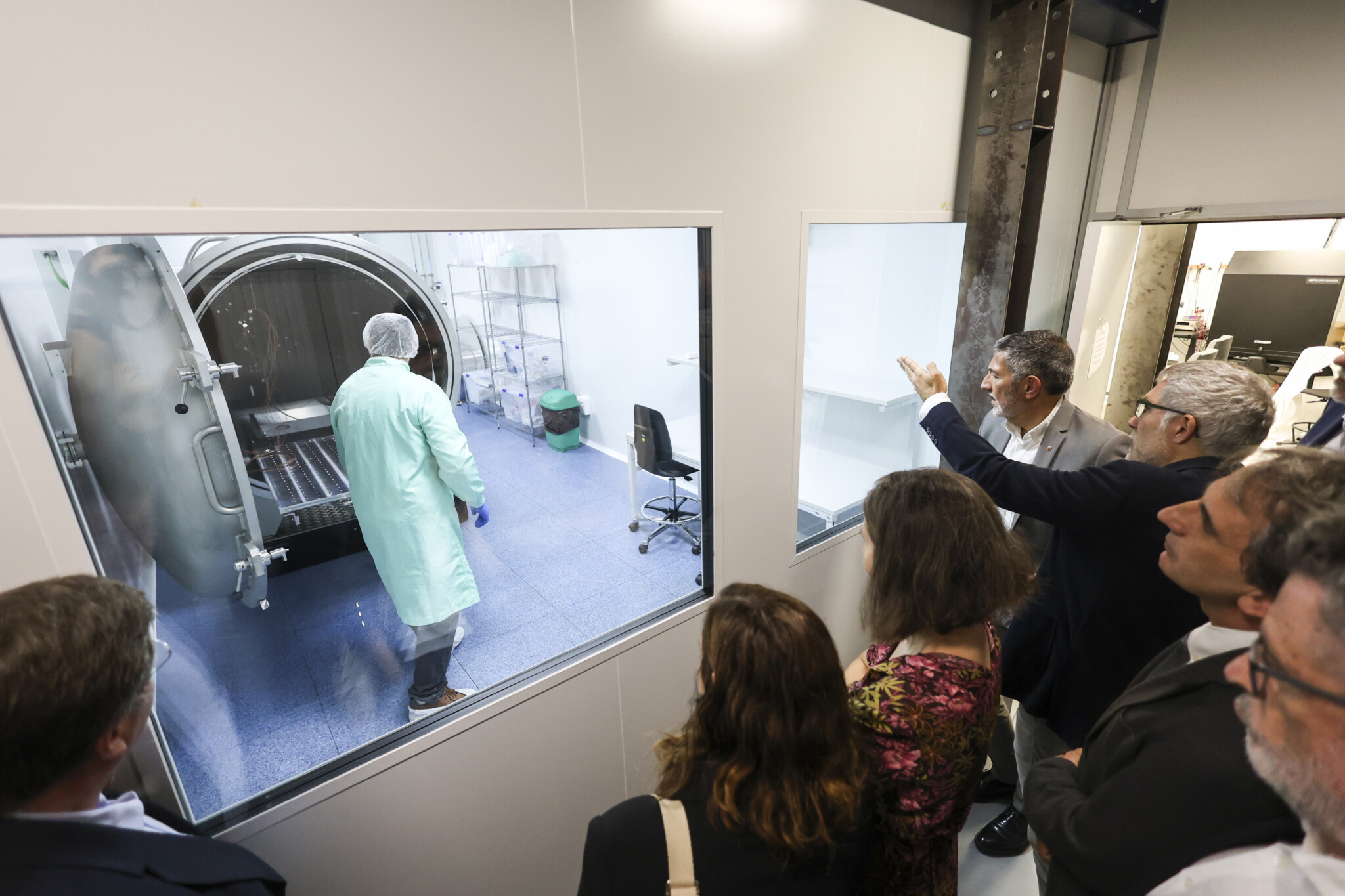
Today, 23 June, the new thermal vacuum chamber (TVAC) was inaugurated. It has been commissioned by the Institute of Space Studies of Catalonia (IEEC), in collaboration with the Institut de Física d’Altes Energies (IFAE). This infrastructure is designed for testing microsatellites, in-orbit technology demonstrators and instrumentation, and is located on the Bellaterra Campus of the Universitat Autònoma de Barcelona, in Cerdanyola del Vallès (Barcelona).
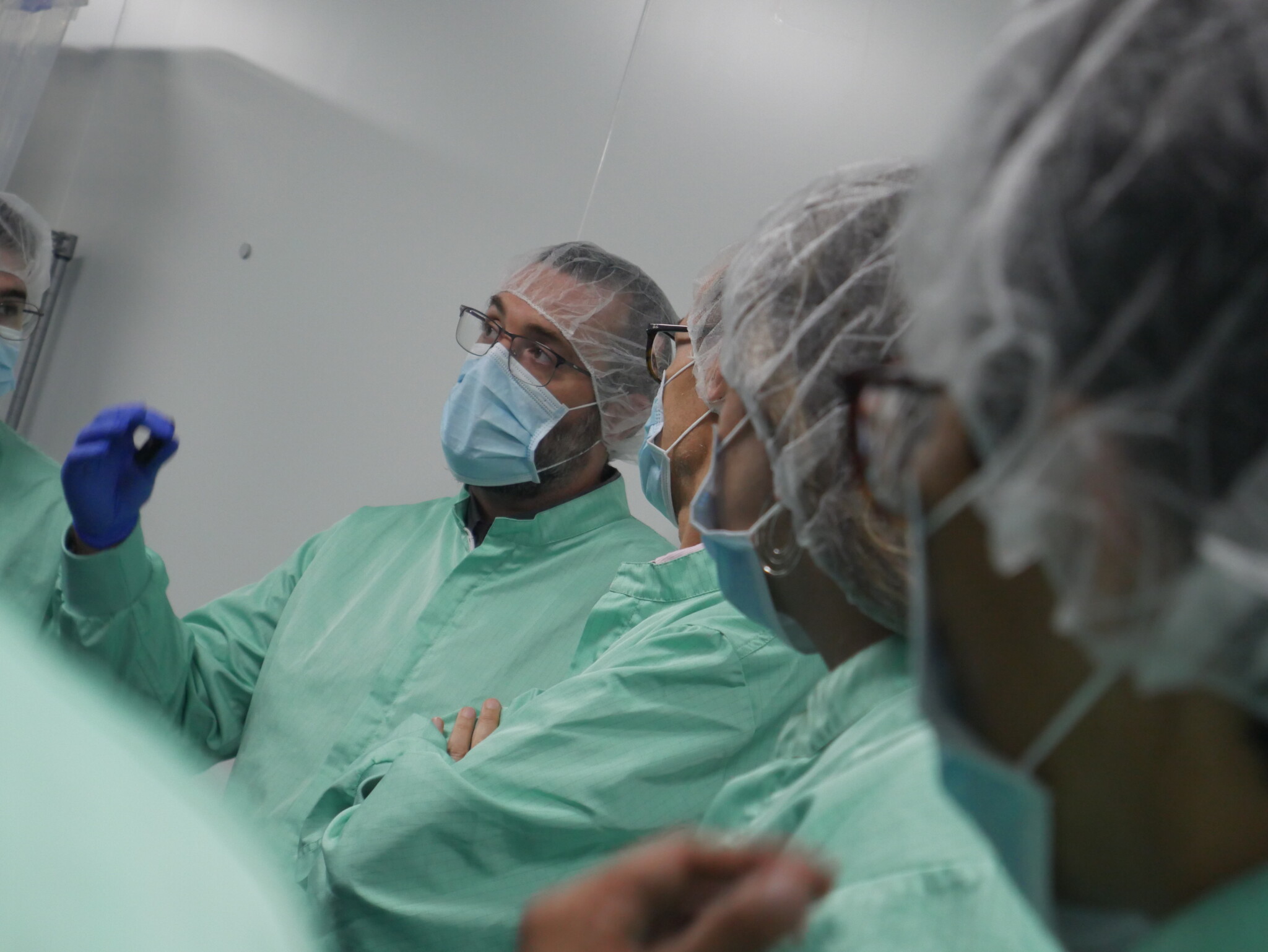
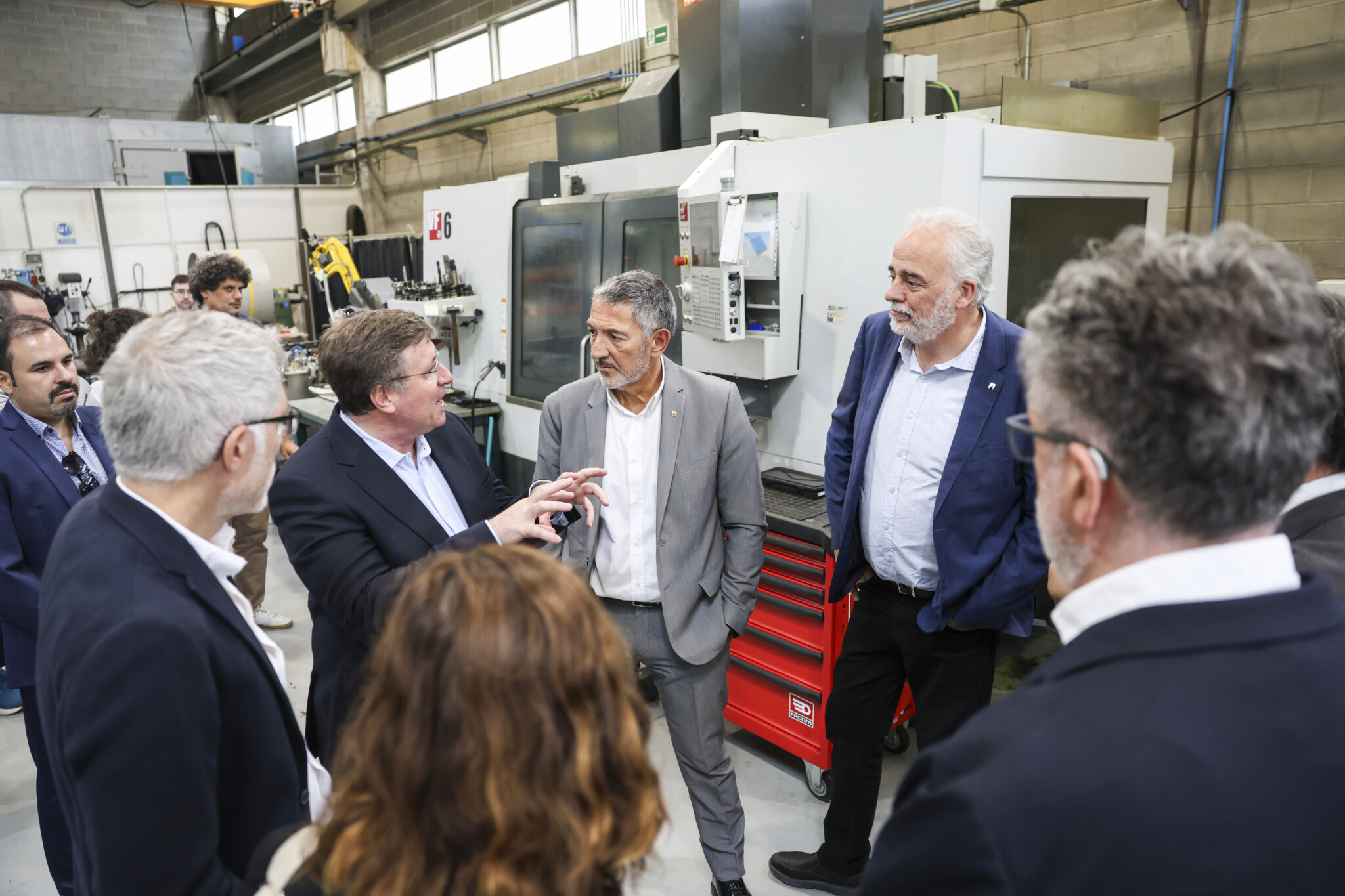
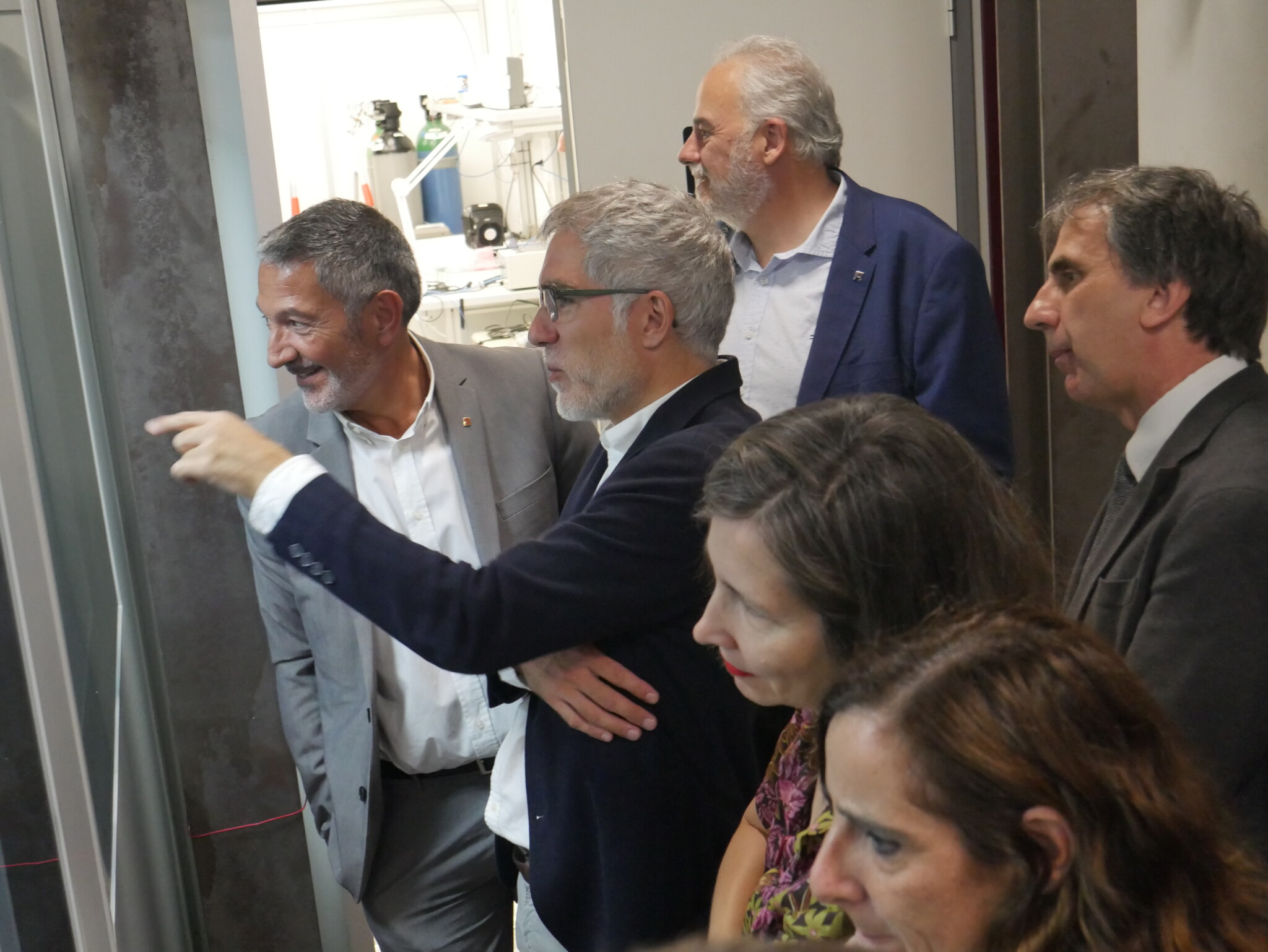
The event, led by Miquel Sàmper, Minister of Business and Labour, was attended by Teresa Sanchis, Director General for Research at the Ministry of Research and Universities; the Director of the IEEC, Xavier Luri; the Director of the IFAE, Eugenio Coccia; the Rector of the UAB, Javier Lafuente; and the Director of the Institució Catalana de Recerca i Estudis Avançats (I-CERCA), Laia Pellejà, among other institutional representatives.
This new infrastructure is aimed at companies, agencies and research centres in the space sector that need to test satellites, subsystems or components under conditions representative of the space environment prior to launch. The TVAC is thus incorporated into the Catalonia Space Labs, expanding the testing and validation capabilities of the space sector in Catalonia.
In this regard, Minister Sàmper underlined the positive impact that this facility will have on the industrial fabric, offering competitive conditions for academic entities and companies, and reducing technical risks as well as unnecessary travel abroad to carry out these tests: “The TVAC allows us to complete an essential link in the space value chain: designing, developing, testing and validating space technologies from Catalonia. And having these capabilities, which we make available to Catalan research and companies, is what differentiates an emerging ecosystem from a mature, competitive ecosystem prepared to grow.” In this line, the Minister assured that “this infrastructure reinforces three priorities of the Catalonia Space 2030 Strategy: promoting innovation, strengthening the industry and moving towards greater technological sovereignty.”
For her part, from the area of Research and Universities, Minister Núria Montserrat highlighted “the importance of this collaboration between centres of excellence to enhance Catalonia’s knowledge generation system.” In this sense, the Minister added that research and innovation in the space sector are “a driving force for technological, economic and social transformation, and with the commissioning of the TVAC, Catalonia sends a very clear message: we want to be present, contributing knowledge, talent and European commitment.”
Capacity and versatility: environmental testing under conditions representative of the space environment
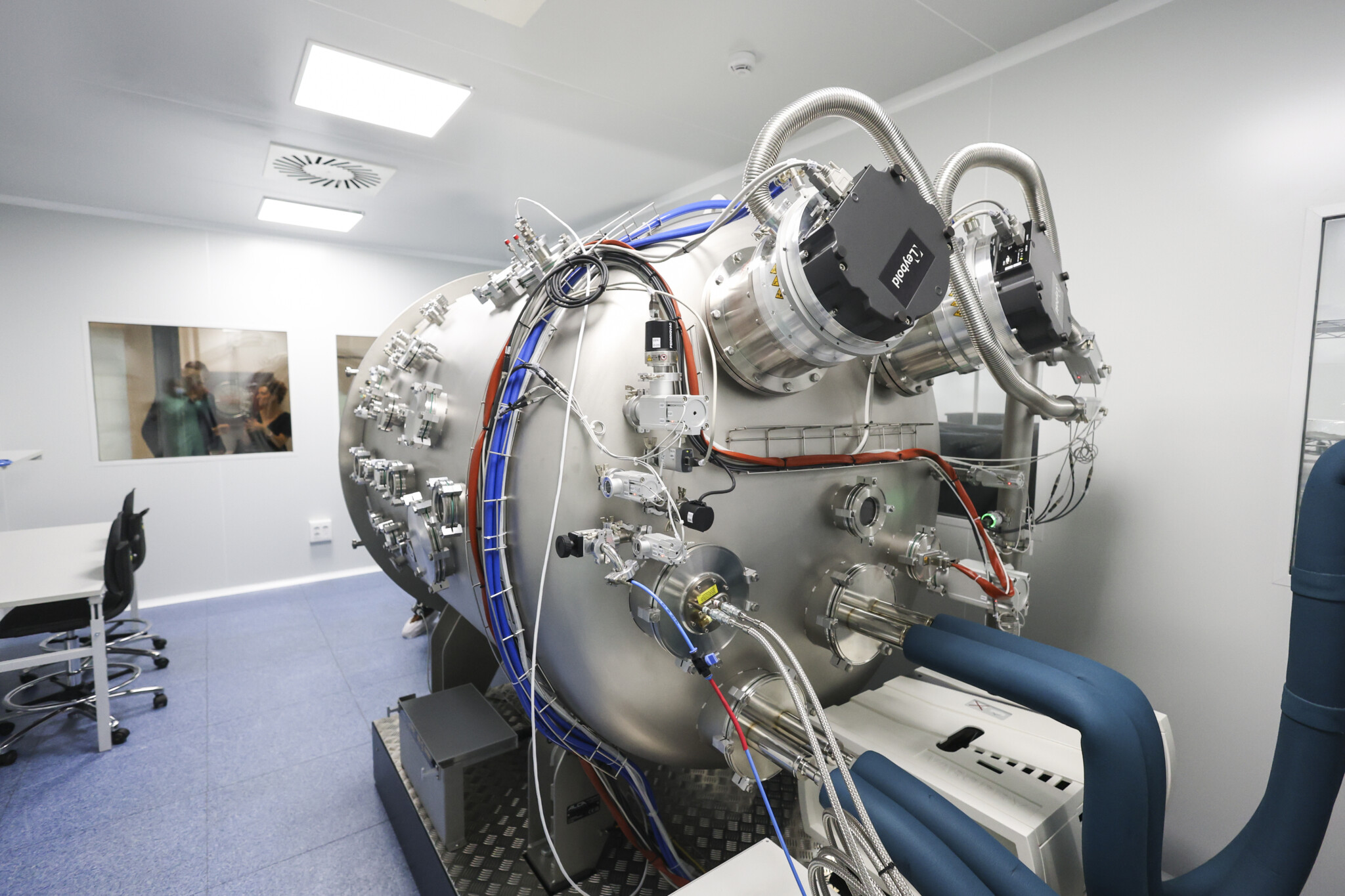
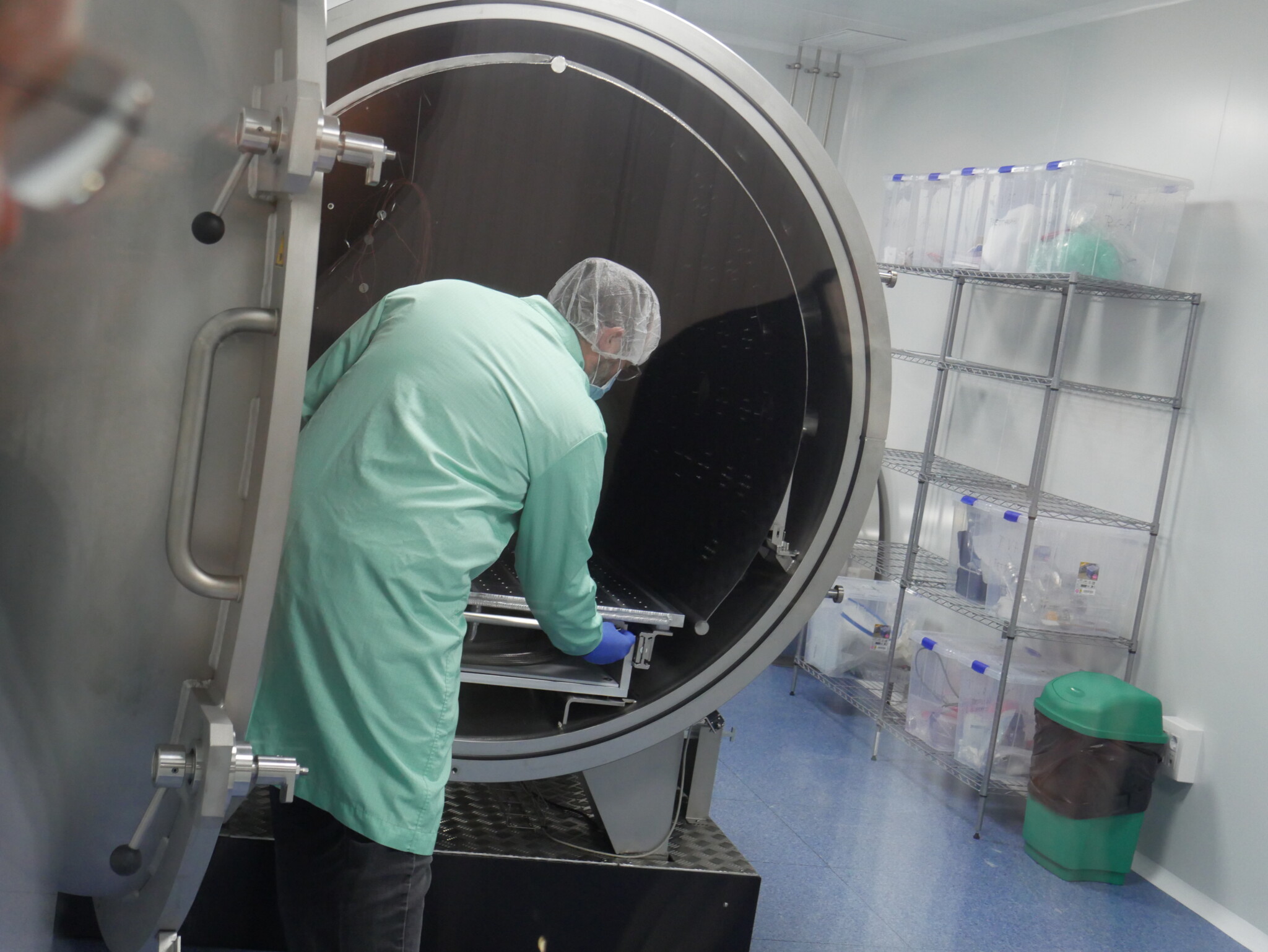
The TVAC allows to reproduce high-vacuum conditions and controlled thermal cycles for the environmental validation of space components and subsystems. With an internal diameter of 1500 mm and a depth of 2200 mm, the chamber can integrate test configurations compatible with an approximate envelope of up to 800 x 1100 x 800 mm, under high-vacuum conditions of up to 1×10⁻⁶ mbar and within a thermal range from −80 °C to +100 °C, with controlled gradients of up to 1 °C per minute.
The equipment is designed to maintain stable conditions during demanding and repeatable test campaigns.
A commitment to technological sovereignty and sector growth
This new infrastructure reinforces Catalonia’s positioning within the European NewSpace field, fostering innovation, industrial development and technological sovereignty. At the same time, it provides the territory with the necessary capabilities to drive highly competitive projects internationally and accelerate their technological readiness.
Interested organisations can contact the IEEC to find out about the conditions of access, infrastructure availability and the booking procedure.
This infrastructure has been made possible thanks to funding from the CERCA Ginys III call, with additional support from the IEEC and the Government of Catalonia, within the framework of the Catalonia Space 2030 Strategy, as well as the IFAE, which has provided the space and facilities required for its operation.

Image gallery
Contact
IEEC Comunication Office
Castelldefels, Barcelona
Email: comunicacio@ieec.cat
About the IEEC
The Institute of Space Studies of Catalonia (IEEC — Institut d’Estudis Espacials de Catalunya) promotes and coordinates space research and technology development in Catalonia for the benefit of society. IEEC fosters collaborations both locally and worldwide and is an efficient agent of knowledge, innovation and technology transfer. As a result of 30 years of high-quality research, done in collaboration with major international organisations, IEEC ranks among the best international research centres, focusing on areas such as: astrophysics, cosmology, planetary science, and Earth Observation. IEEC’s engineering division develops instrumentation for ground- and space-based projects, and has extensive experience in working with private or public organisations from the aerospace and other innovation sectors.
The IEEC is a non-profit public sector foundation that was established in February 1996. It has a Board of Trustees composed of the Generalitat de Catalunya, Universitat de Barcelona (UB), Universitat Autònoma de Barcelona (UAB), Universitat Politècnica de Catalunya · BarcelonaTech (UPC), and the Spanish Research Council (CSIC). The IEEC is also a CERCA centre.